Circular routes only matter when they work in practice
BEWI Connect helps connect recyclable material streams to more practical next use — through material understanding, logistics, market access, and a circular perspective grounded in real operational routes.
Circularity is not a claim. It is a route.
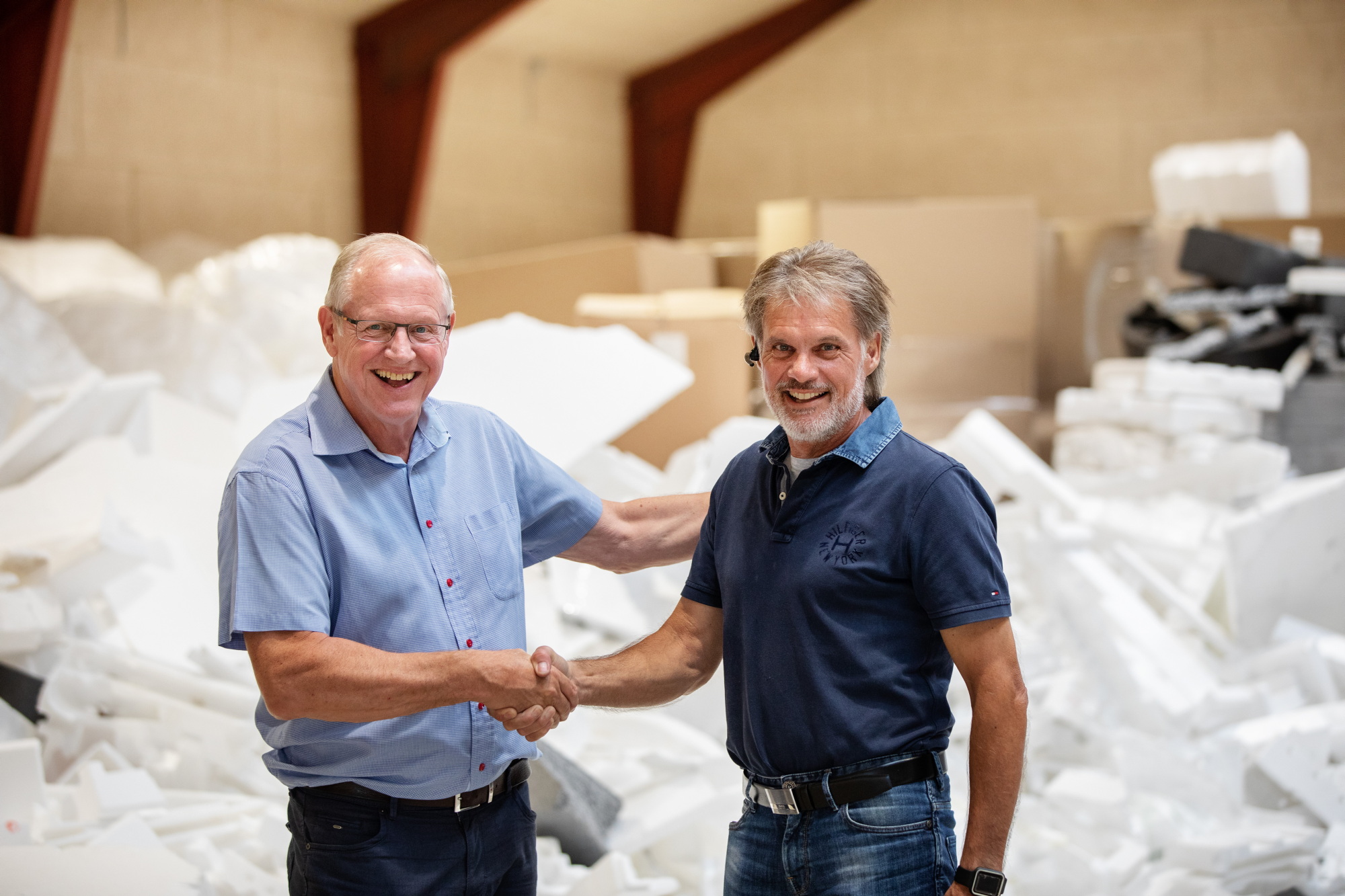
A circular economy only works when a material can move from one useful stage to the next in a way that is operationally practical and commercially relevant. That is why BEWI Connect approaches circularity through real material routes – not abstract promises. This is especially true for streams like EPS, where collection, preparation, transport, and downstream use all have to connect for the route to work. BEWI’s broader circular work already shows this in practice through recycled-content product development, closed-loop collection models, and recycled-feedstock initiatives.
What makes a circular route work

Recovery is only the beginning
Collecting material is important, but circularity only works when there is a practical route after collection.

Preparation and movement matter
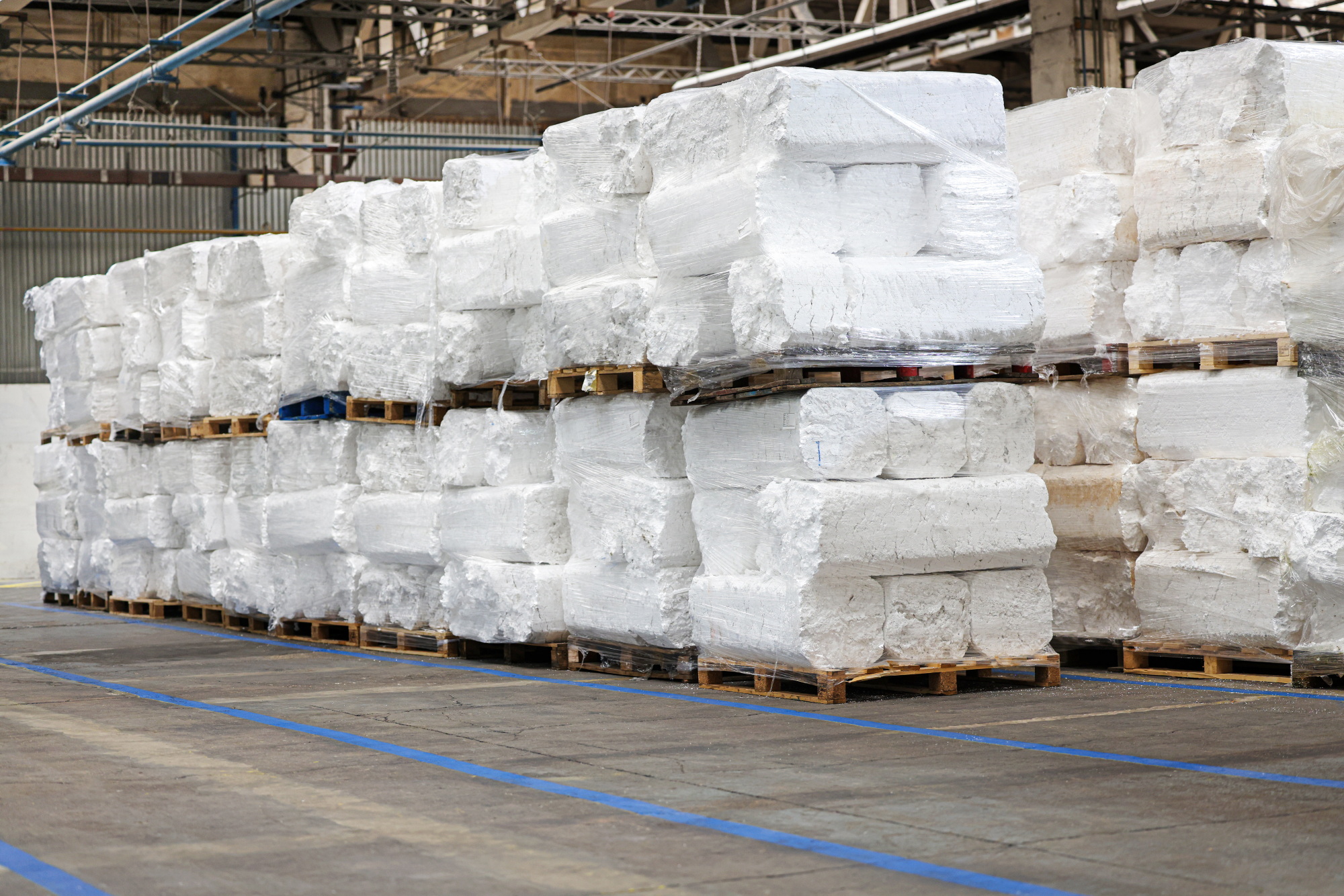
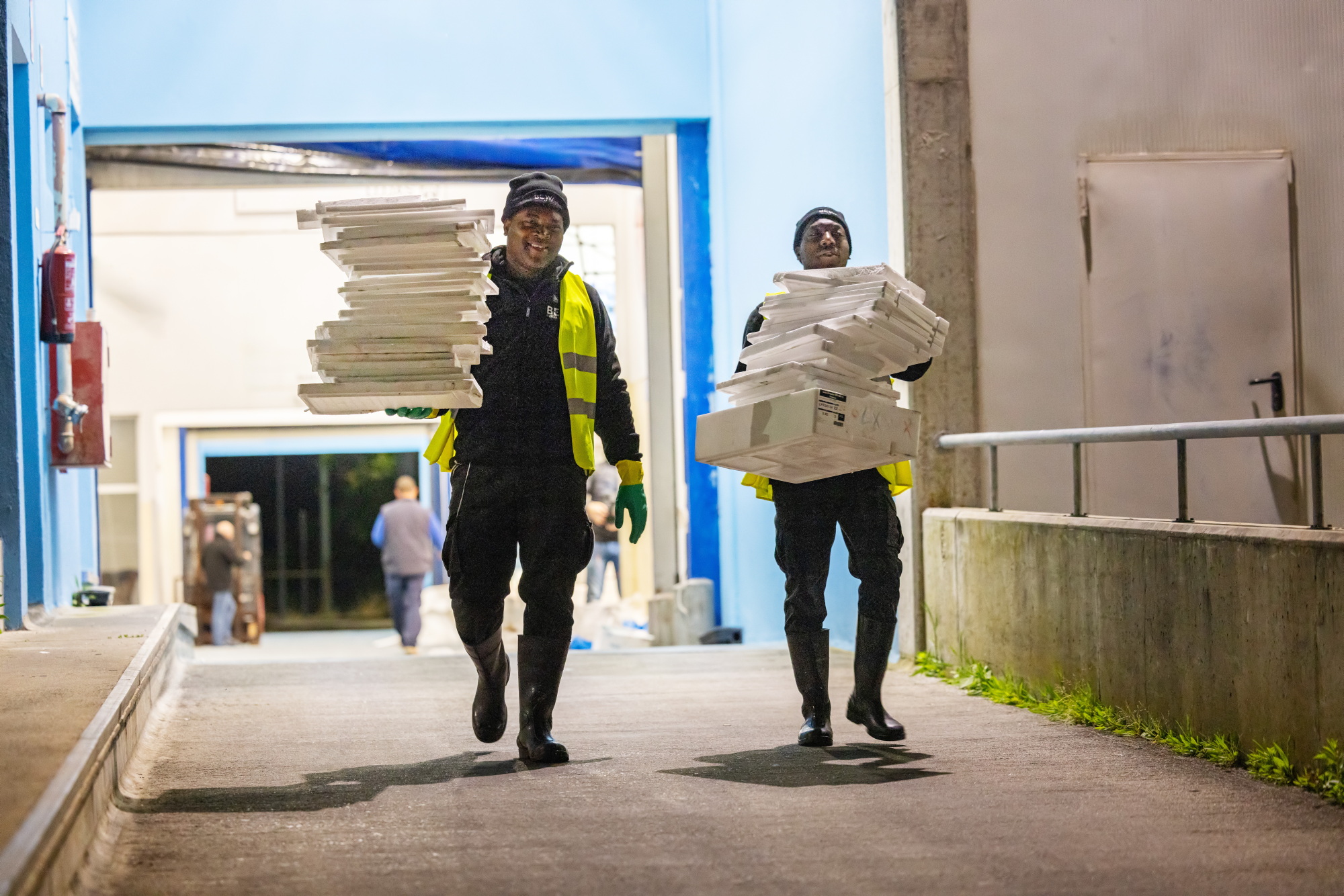
Sorting, compaction. , transport, and handling often determine whether a stream can actually move into next use. BEWI’s own EPS circular examples describe compaction, transport, extrusion, and reuse as linked operational steps.

Proof builds credibility
The strongest circular stories are specific, material-based, and supported by real systems, not broad sustainability language.
Circular value only exists when the route is workable
In recyclable materials, circularity is shaped by the same realities as any other route: material condition, preparation, storage, transport, downstream fit, and market access. That is why BEWI Connect treats circular economy as a practical route-building challenge. Competitors that make circularity credible do so by tying it to real systems – like polystyrene collection programs, mechanical conversion into new feedstock, and insulation or packaging applications with visible next use.
Why BEWI Connect is credible in circular economy
Material-based understanding
We focus on circularity through real material categories, especially where practical routes can be built and explained clearly.

EPS expertise
EPS is one of our strongest areas, and one of the clearest places to show how a circular route can work in practice.

Logistics perspective
We understand that circularity depends on more than collection – it also depends on movement, preparation, and downstream fit.

BEWI-backed ecosystem
BEWI’s wider circular work strengthens this perspective through recycled-content products, EPS collection systems, and practical reuse pathways
From collection to practical next use
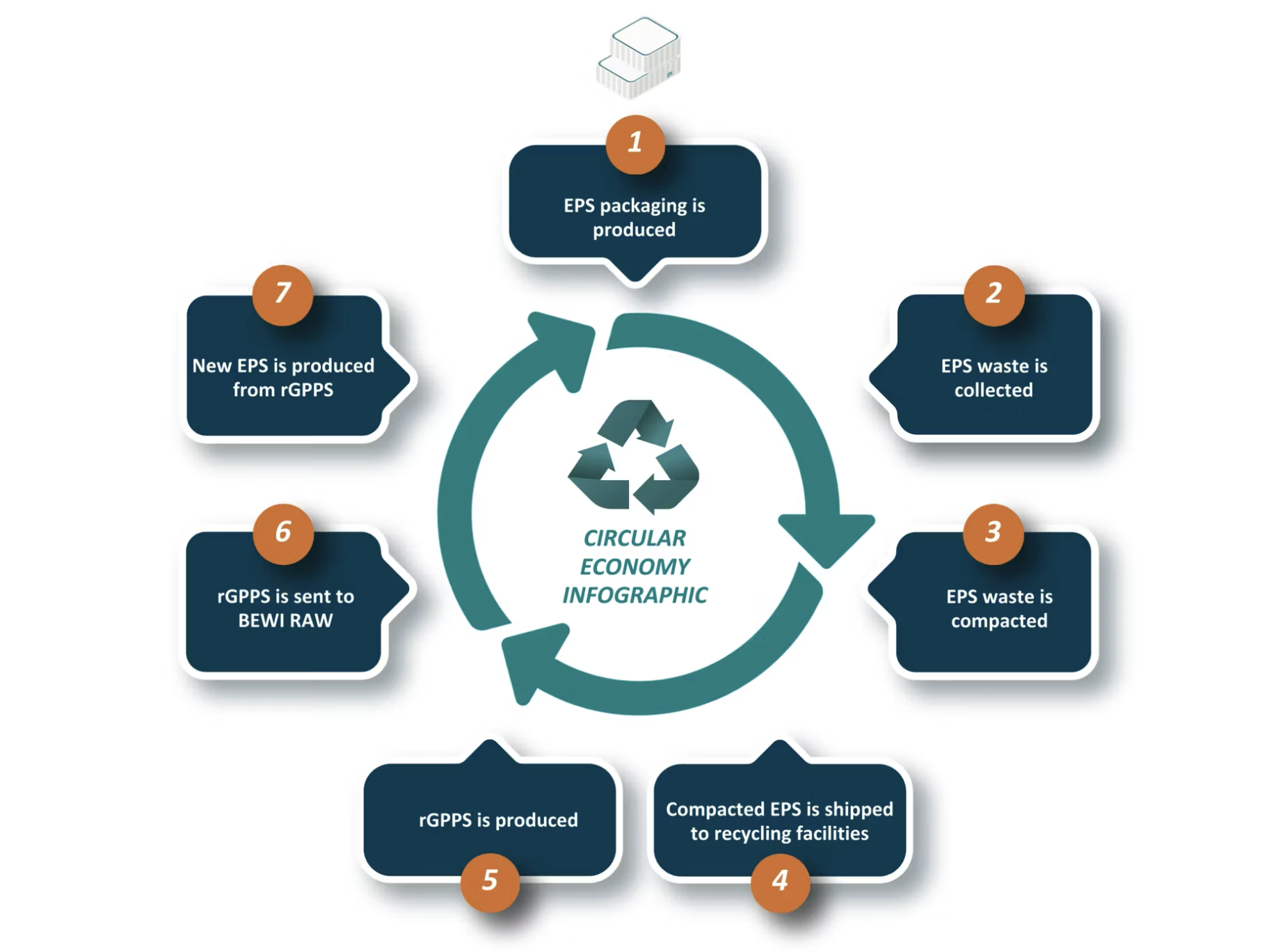
A circular route usually depends on several linked steps: material recovery, preparation, movement, processing, and downstream application. BEWI’s own EPS examples show this clearly, from collection and compaction to processing into new feedstock and use in new products. BEWI Connect helps connect those parts so the route becomes clearer for suppliers, buyers, and partners.
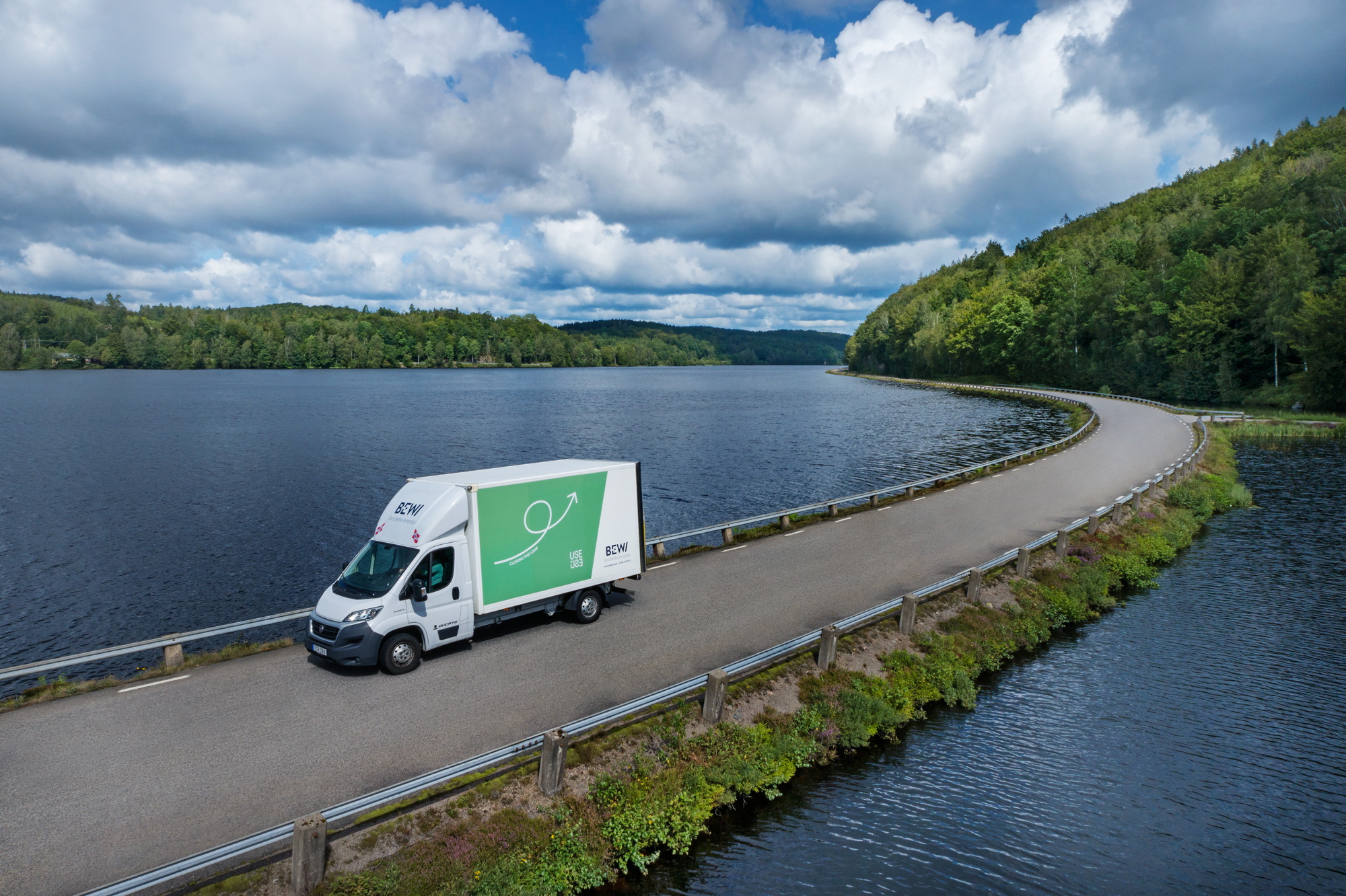
The strongest circular story is the one you can actually operate
Circular economy becomes credible when the route can be explained, handled, moved, and used in real-world conditions. That is why BEWI Connect focuses on practical circular routes – the kind that create value for suppliers, buyers, and partners because they work in reality.
Talk to a trader