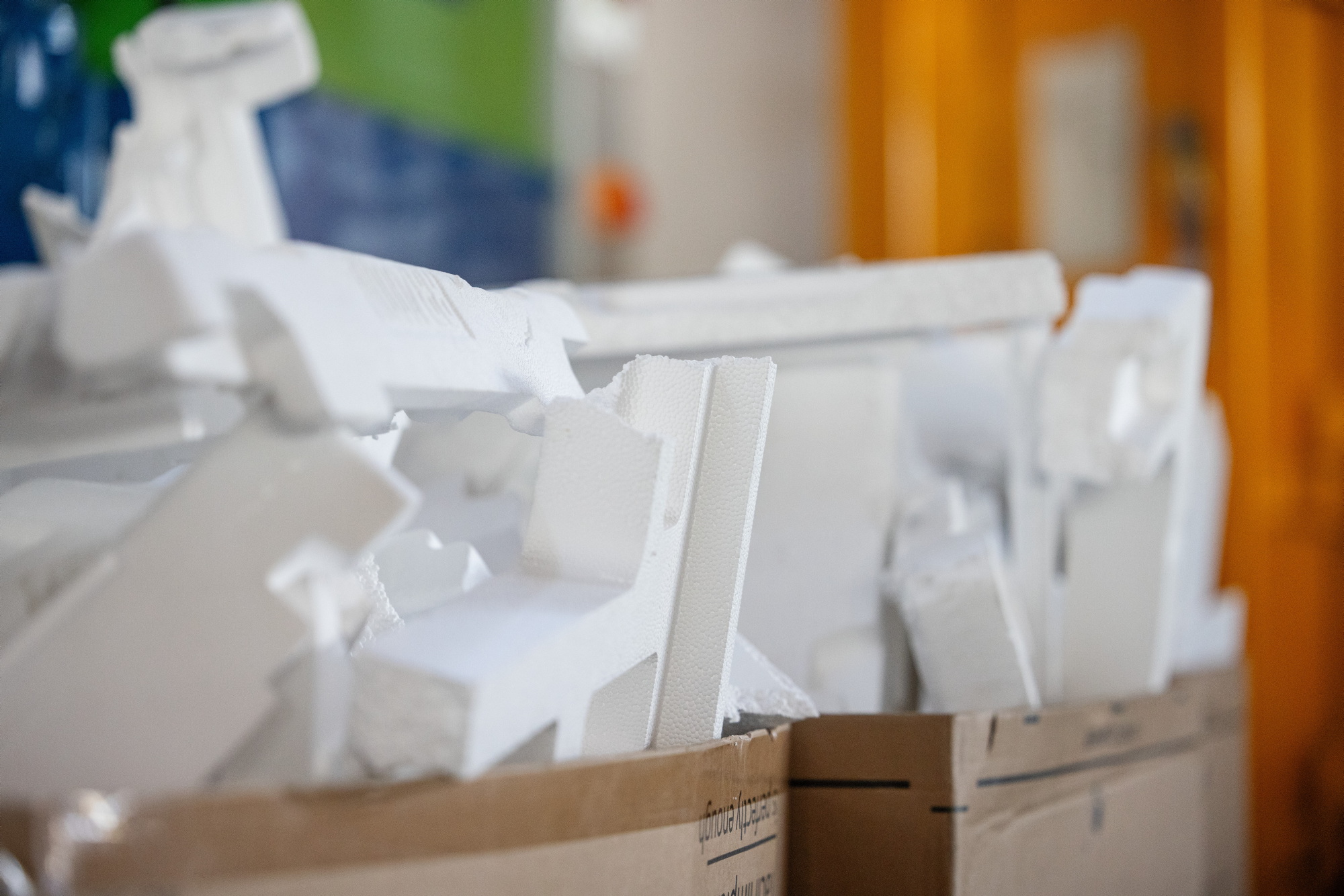
EPS is not difficult because it lacks value – it is difficult because it needs the right route
EPS is widely used because it performs well in packaging, insulation, and temperature-sensitive applications. But after use, it often becomes difficult to store and move because it is lightweight and volume-intensive. That is why EPS recycling depends less on intention alone and more on whether a practical route exists across preparation, transport, and downstream demand. Competitor and industry examples consistently show the same pattern: compaction or densification, reliable logistics, and a clear next-use pathway are what make the route work.
What makes EPS recycling work

Collection is only the first step
Recovering EPS matters, but the route only becomes practical when the material can move beyond the collection point.

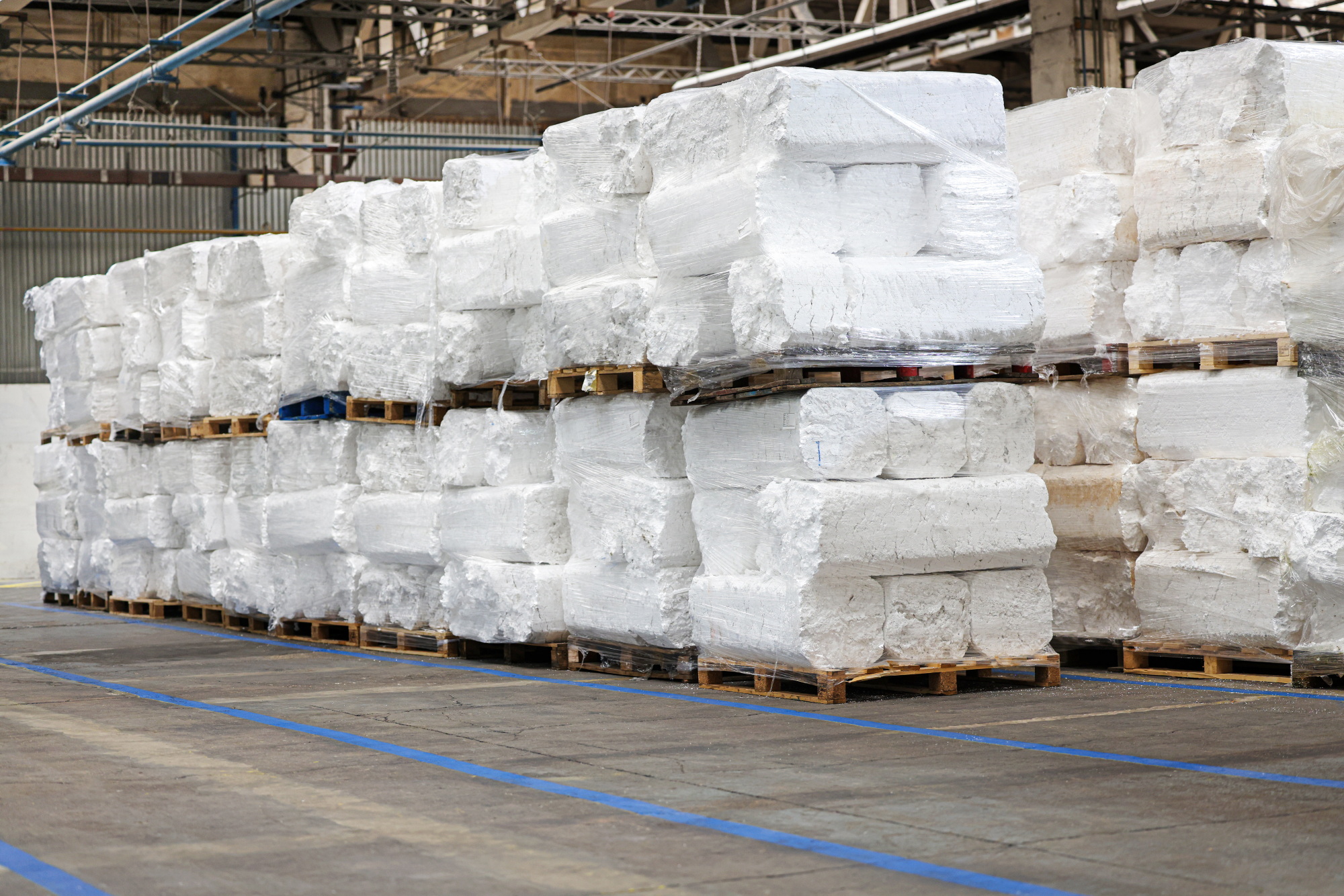
Preparation changes viability
Compaction, densification, or other preparation steps can strongly affect whether transport and storage become workable.

Downstream use creates credibility
A circular route becomes meaningful when recycled EPS or polystyrene feedstock can move into real next-use applications.
EPS recycling is really a logistics and route-building challenge
The biggest challenge with EPS is often not whether it can be recycled, but whether it can be collected, stored, prepared, and transported in a way that makes commercial sense. That is why the strongest EPS recycling systems are built around practical route design: where material comes from, how it is prepared, how it moves, and who can use it next. BEWI’s own circular examples and peer examples in the market both reinforce this route-based model.