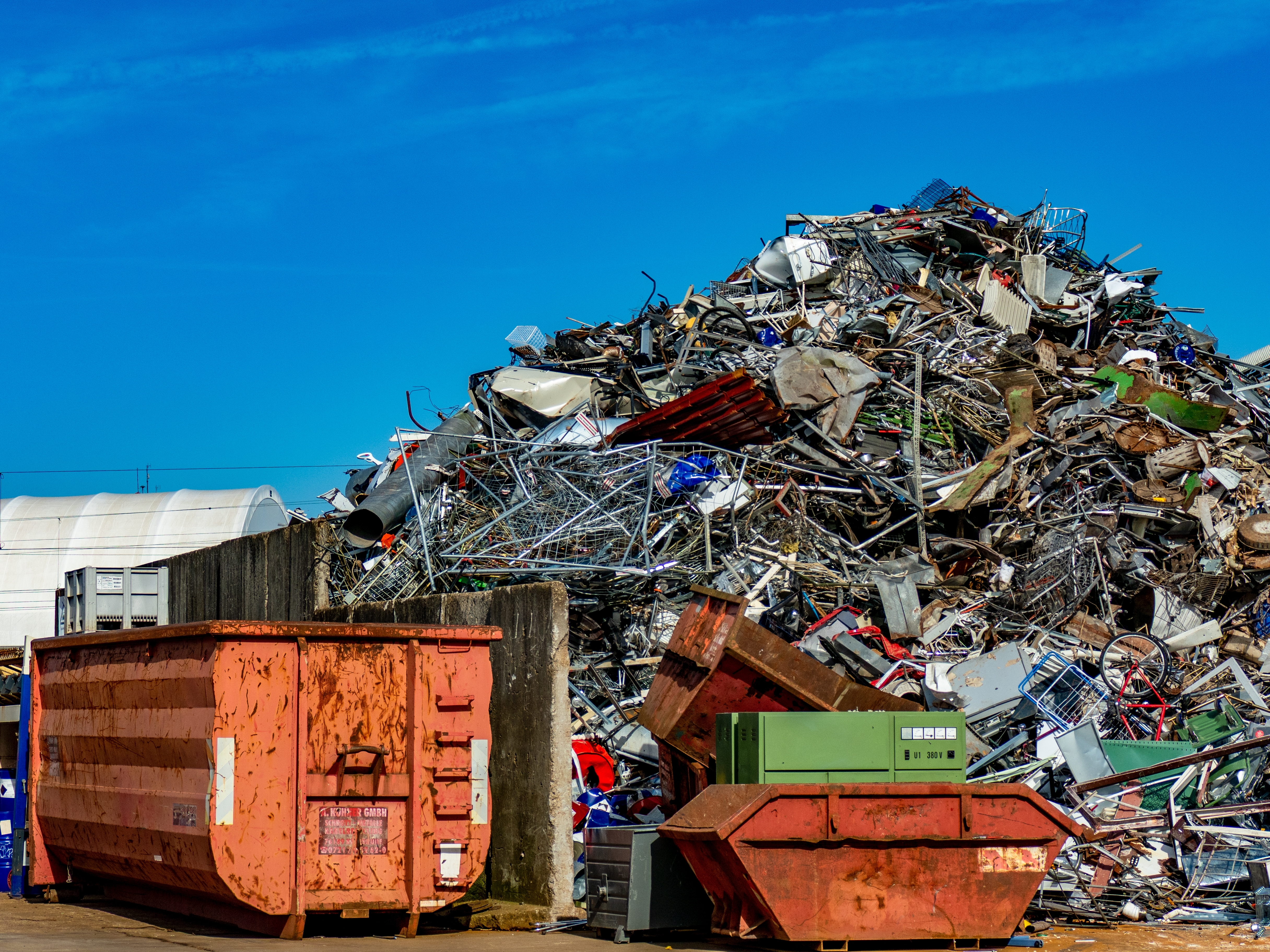
Move recyclable metal streams into value
If you generate recyclable metal materials from industrial, operational, or recovery processes, BEWI Connect helps you assess the stream, support the logistics, and connect it to downstream demand.
METAL SUPPLY
A practical route for recyclable metal materials
Metal streams can create real commercial value when quality, separation, and logistics are aligned. We help suppliers understand what is relevant, what handling is needed, and how a stream can move into the right downstream market. 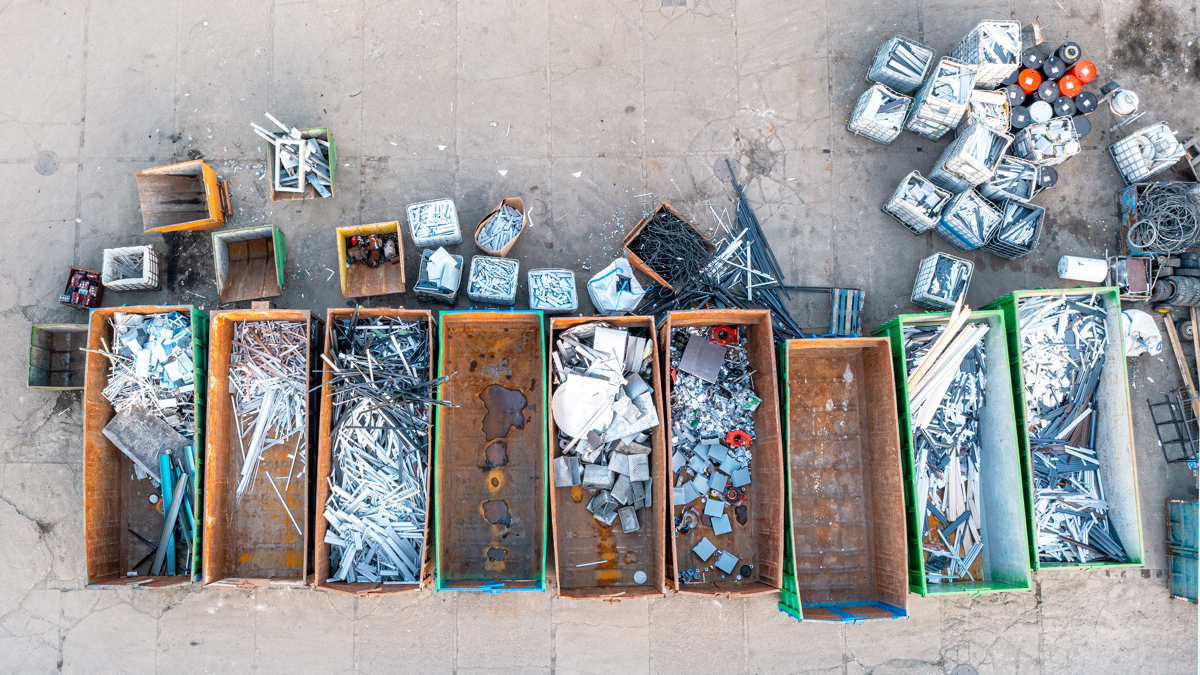
Request Information
What matters when selling metals

Material quality matters
Metal streams are easier to move when material type, separation, and condition are clearly understood.

Preparation affects value
Sorting, handling, packaging, and contamination all influence what is commercially viable.

Logistics shape the route
Volume, density, location, and transport requirements affect how a stream can move efficiently.
Metal materials we buy
We work with selected recyclable metal streams depending on type, condition, volume, and market fit.
Ferrous metals
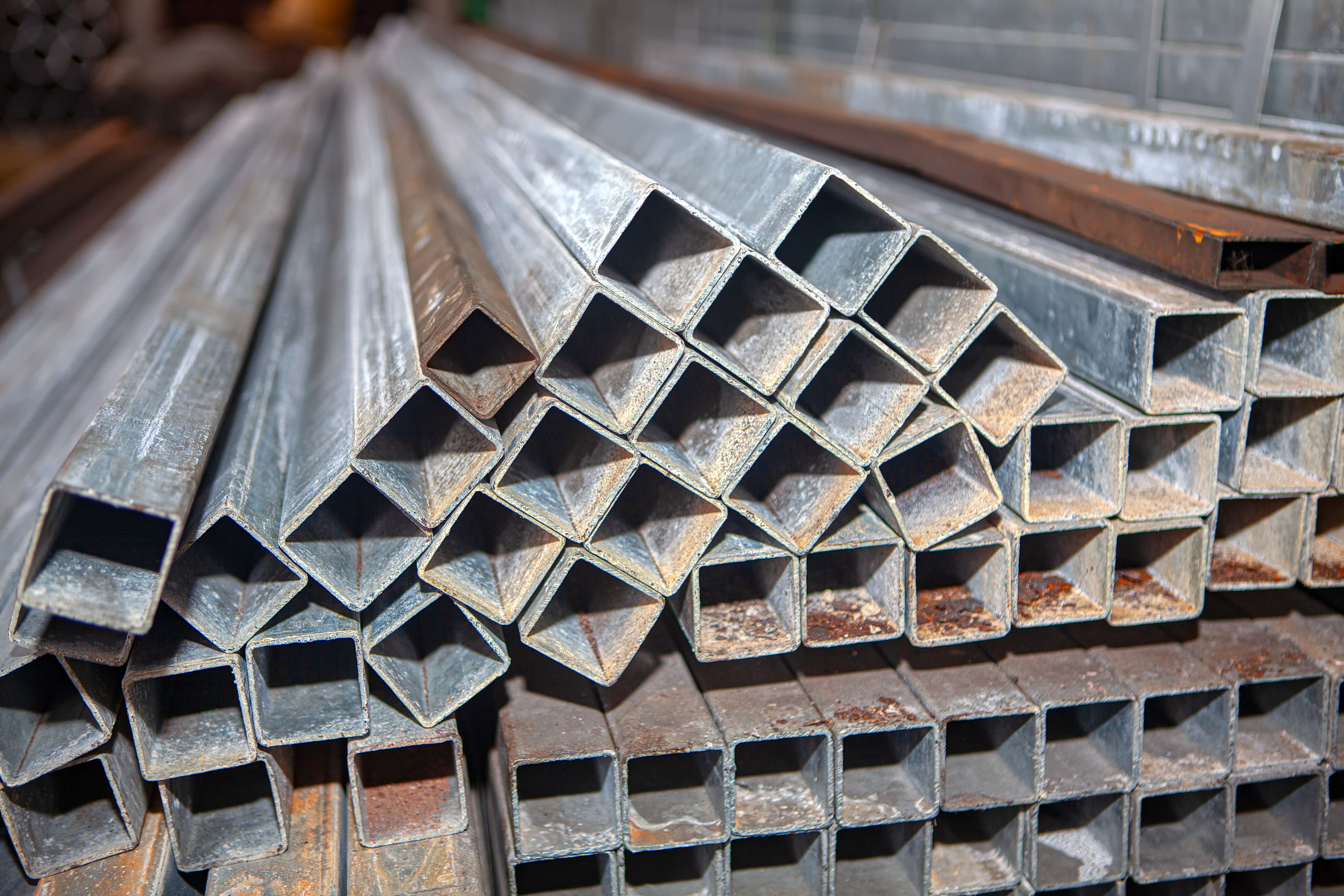
Steel and iron scrap from manufacturing, construction, and industrial operations. Grade, preparation, and contamination level determine commercial route and pricing. We work with both shredded and prepared grades.

Non-ferrous metals
Aluminium, copper, brass, and mixed non-ferrous streams. Higher value per tonne means quality and separation matter more — we assess carefully before committing.
Industrial manufacturing scrap
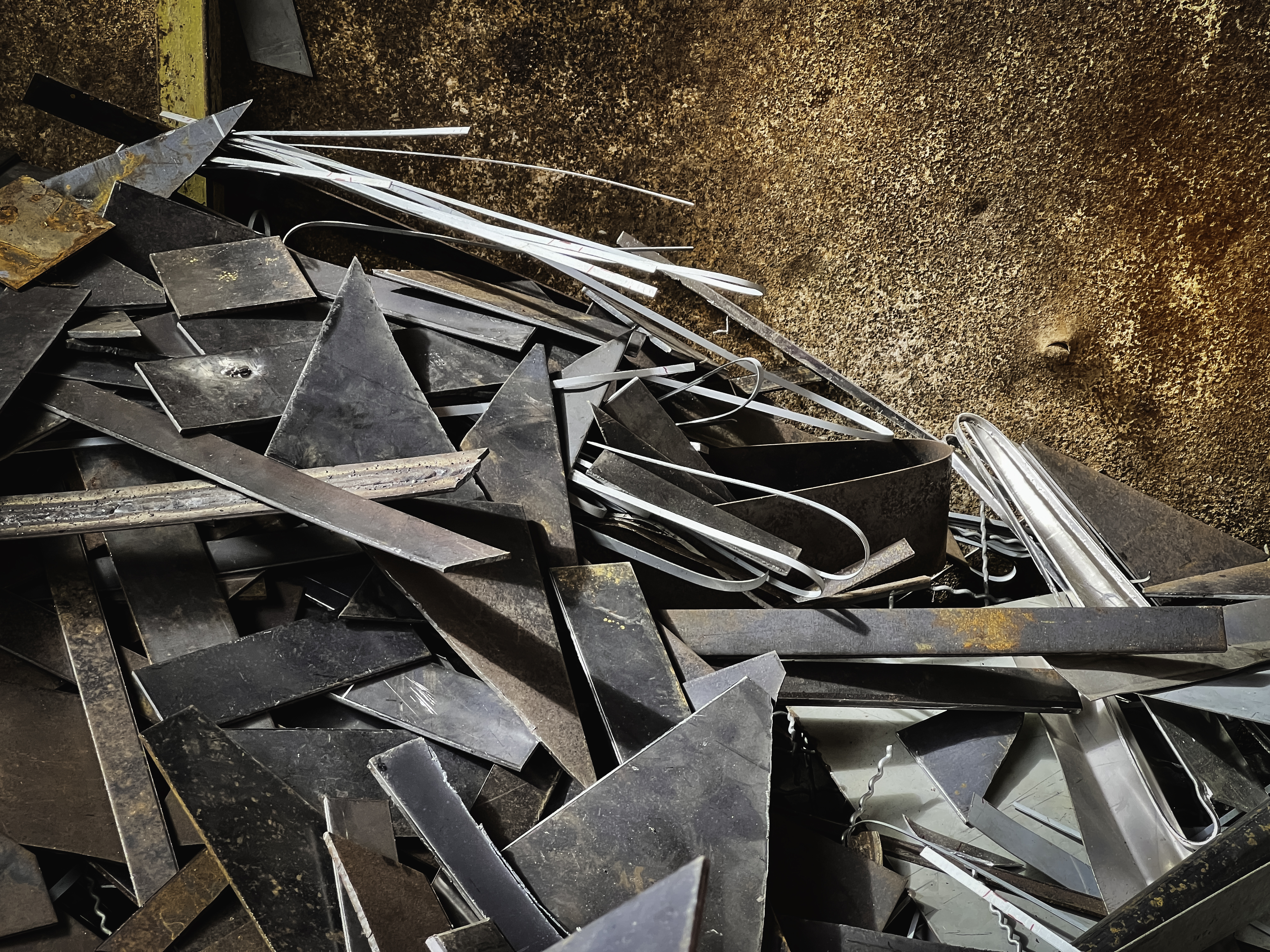
Recurring scrap from production lines, tooling, and equipment. Volume consistency and material type determine whether long-term trading relationships make sense.
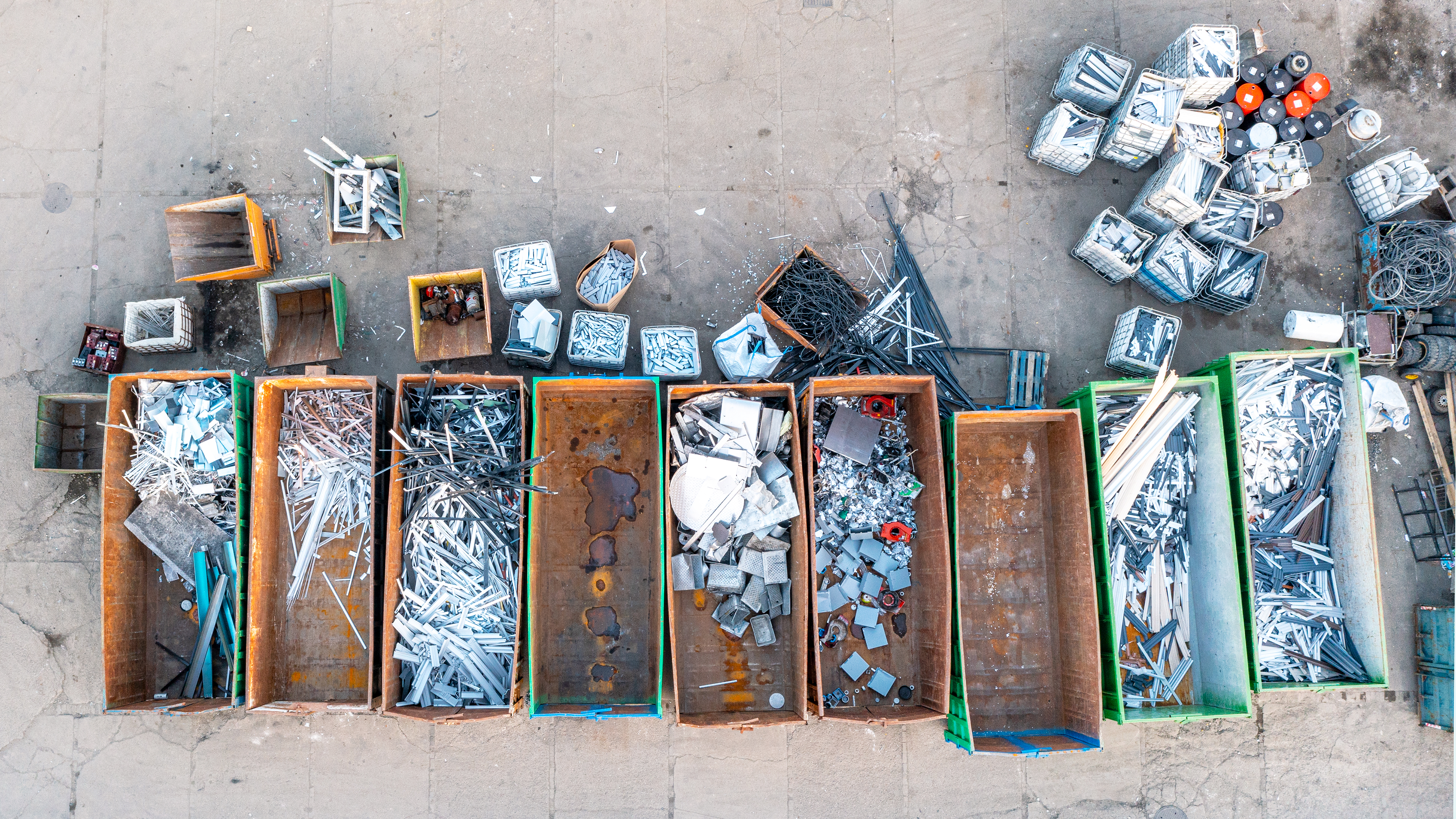
Pre-sorted or graded material
Separated and prepared streams attract better terms and more buyer options. We help suppliers understand when sorting investment pays off commercially.
Why sell metals to BEWI Connect

Metal-specific market knowledge
Ferrous and non-ferrous markets operate on different pricing dynamics, and sub-grades within each have their own buyer landscape. We understand those differences — which means we match your material to the right buyer category, not the nearest available one.

Direct connections to processors
We work with downstream buyers who process scrap metal commercially. We assess your stream against real current demand and give you a clear read on what's achievable — not theoretical interest.
Weight and density logistics
Metal is heavy. Transport economics are fundamentally different from lighter materials. We calculate actual weight, container fill rate, and distance to downstream buyers before building a logistics plan — so the numbers work before we commit.

No speculative valuations
We give you a commercial assessment based on current market conditions. Not an inflated estimate designed to win the inquiry. If market pricing makes a trade unviable, we tell you — and explain what would need to change.
How we assess your metal stream
Tell us your metal type (ferrous, aluminium, copper, mixed non-ferrous), whether material is sorted or mixed, approximate volume, and location. We'll come back with a direct answer: whether the stream matches current buyer requirements, what grade classification or sorting would improve commercial terms, and what transport logistics apply to your volume and location.
Contact us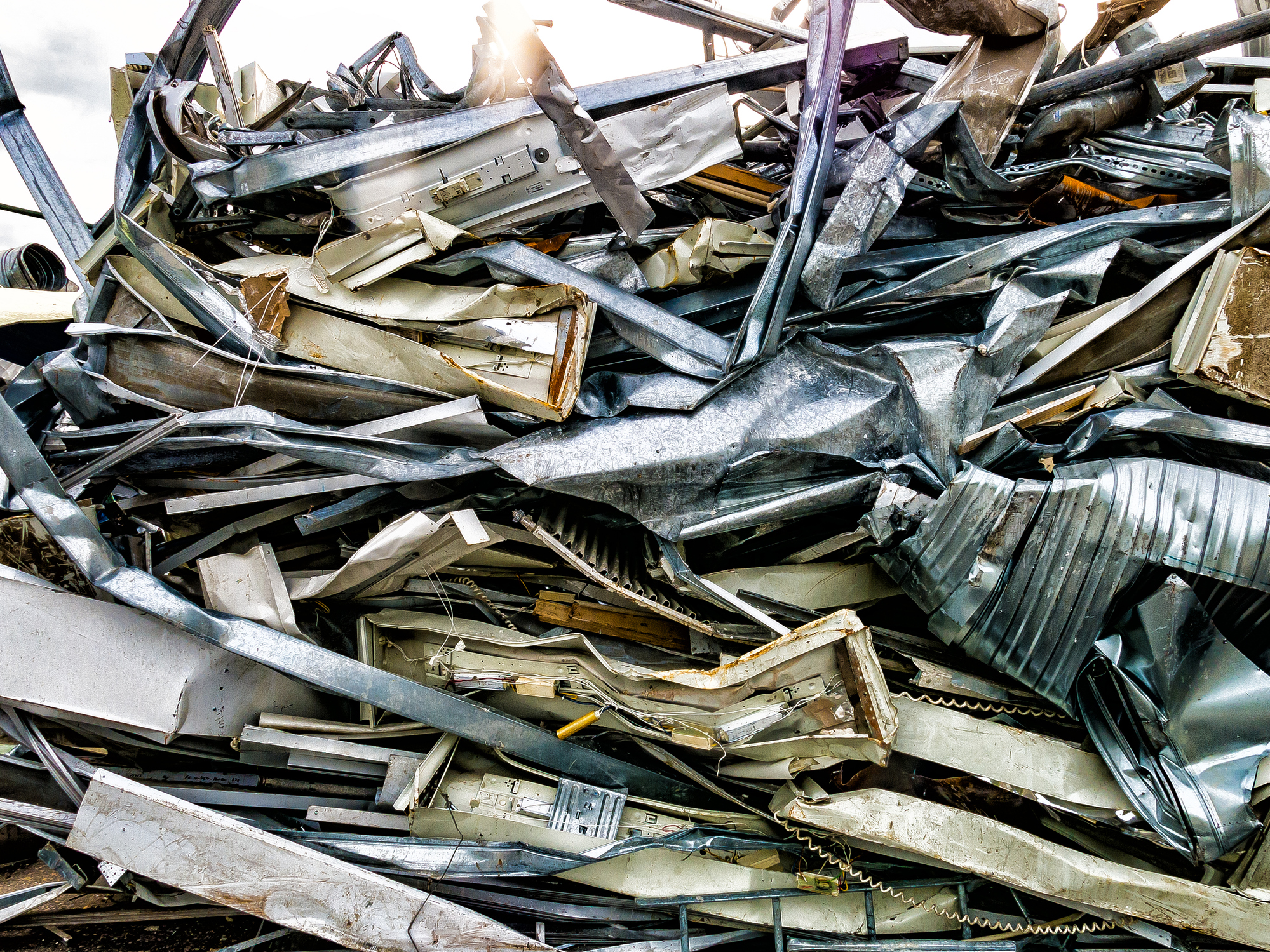
Metal logistics: why weight, density, and separation shape every trade
Metal is one of the few recyclable materials where logistics are primarily a weight problem, not a volume problem — but that doesn't make them simple. Container type, loading setup, separation level, and distance to the nearest processing facility all affect whether the economics of a trade hold up. Non-ferrous streams with contamination or poor separation can face significant price deductions or rejection at the processing stage. We assess logistics alongside commercial terms from the start.
Explore logistics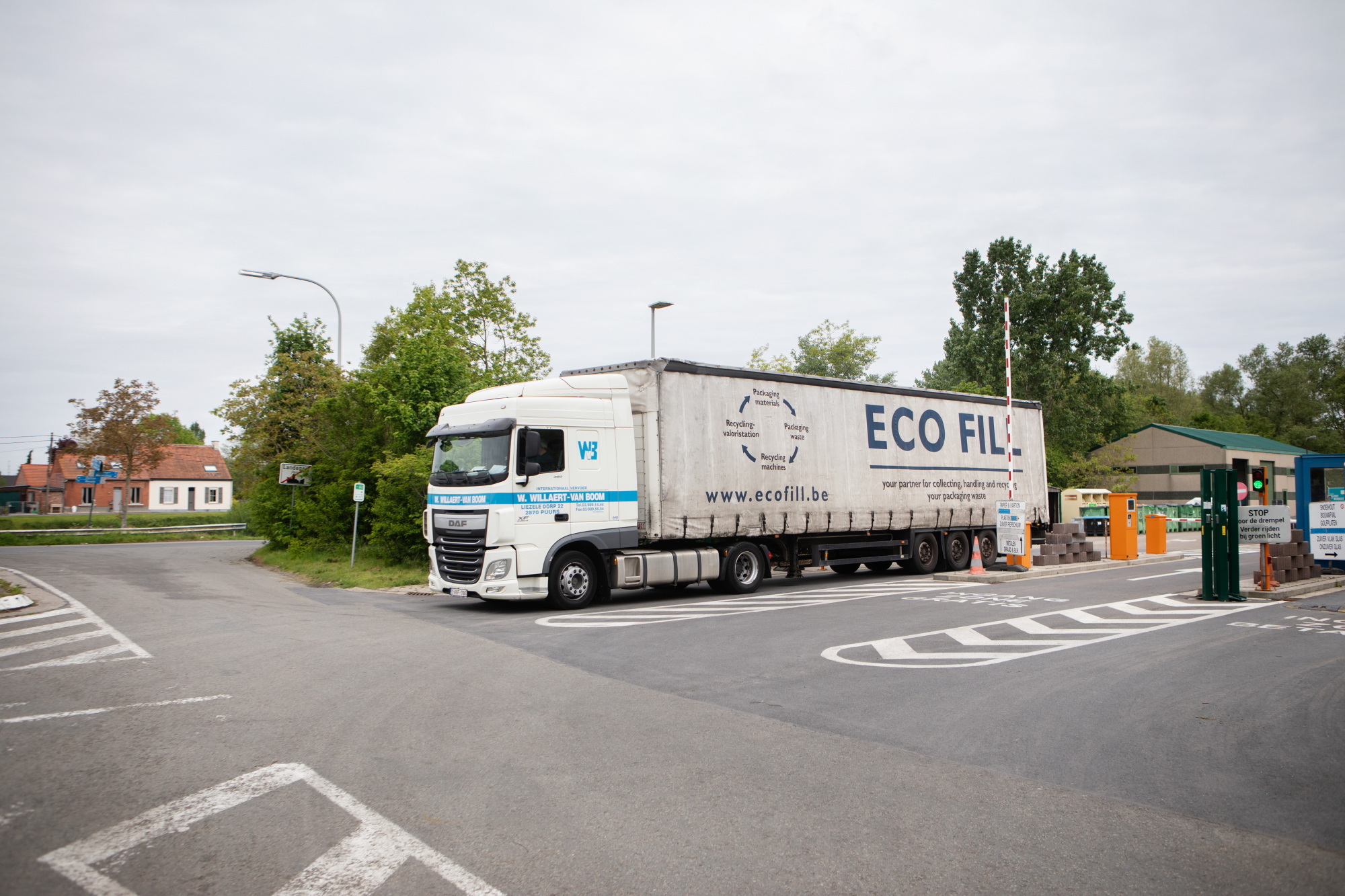
Tell us about your metal stream
Share your metal type, whether material is sorted or mixed, estimated volume, and location. Our traders will respond with a direct assessment on current market conditions, commercial terms, and what logistics setup applies to your stream.
Contact usRelated Products
View all related products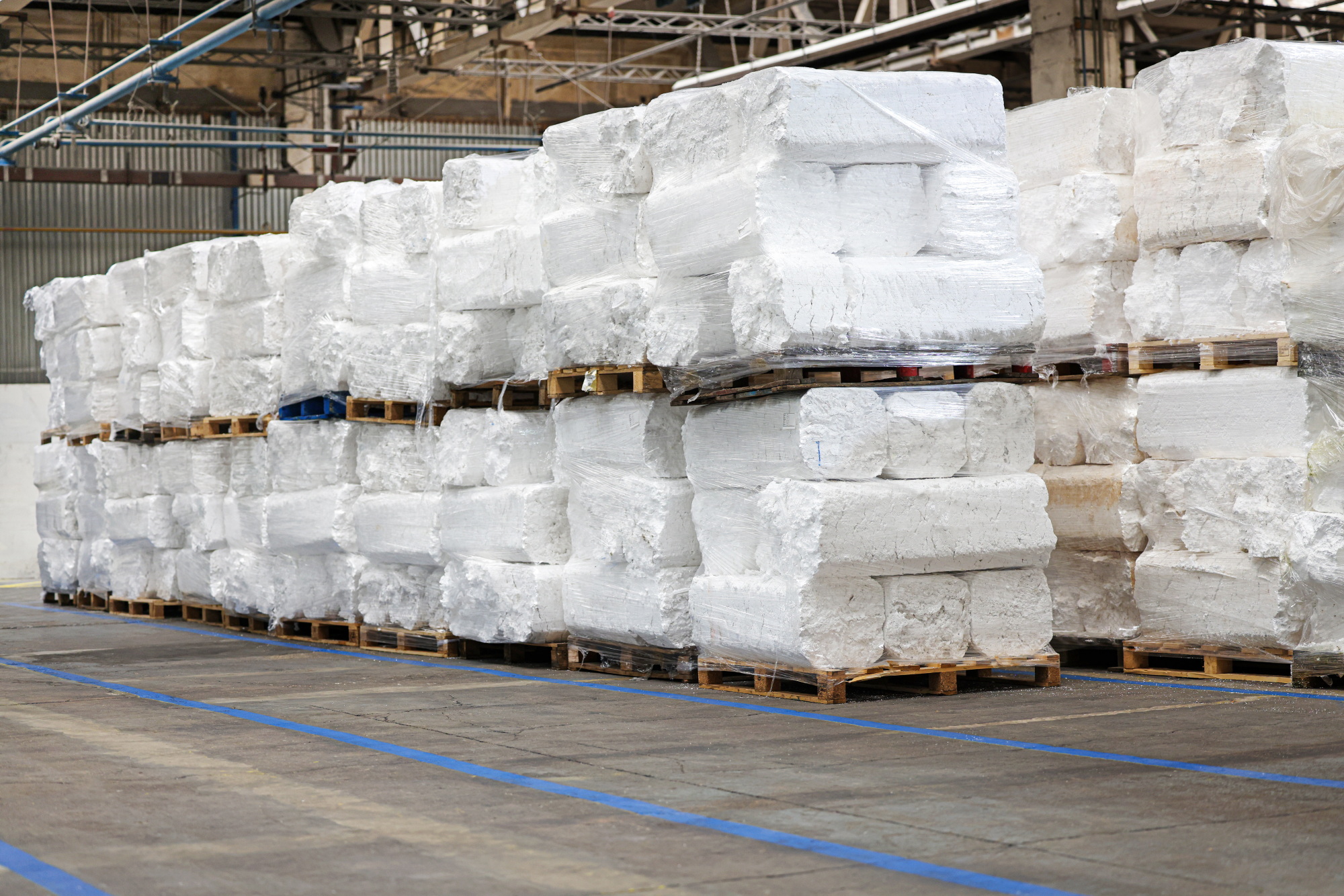
EPS
EPS from packaging, fish boxes, construction, and industrial operations — especially where bulky volumes, storage pressure, and handling make the next step harder to manage.
Plastics
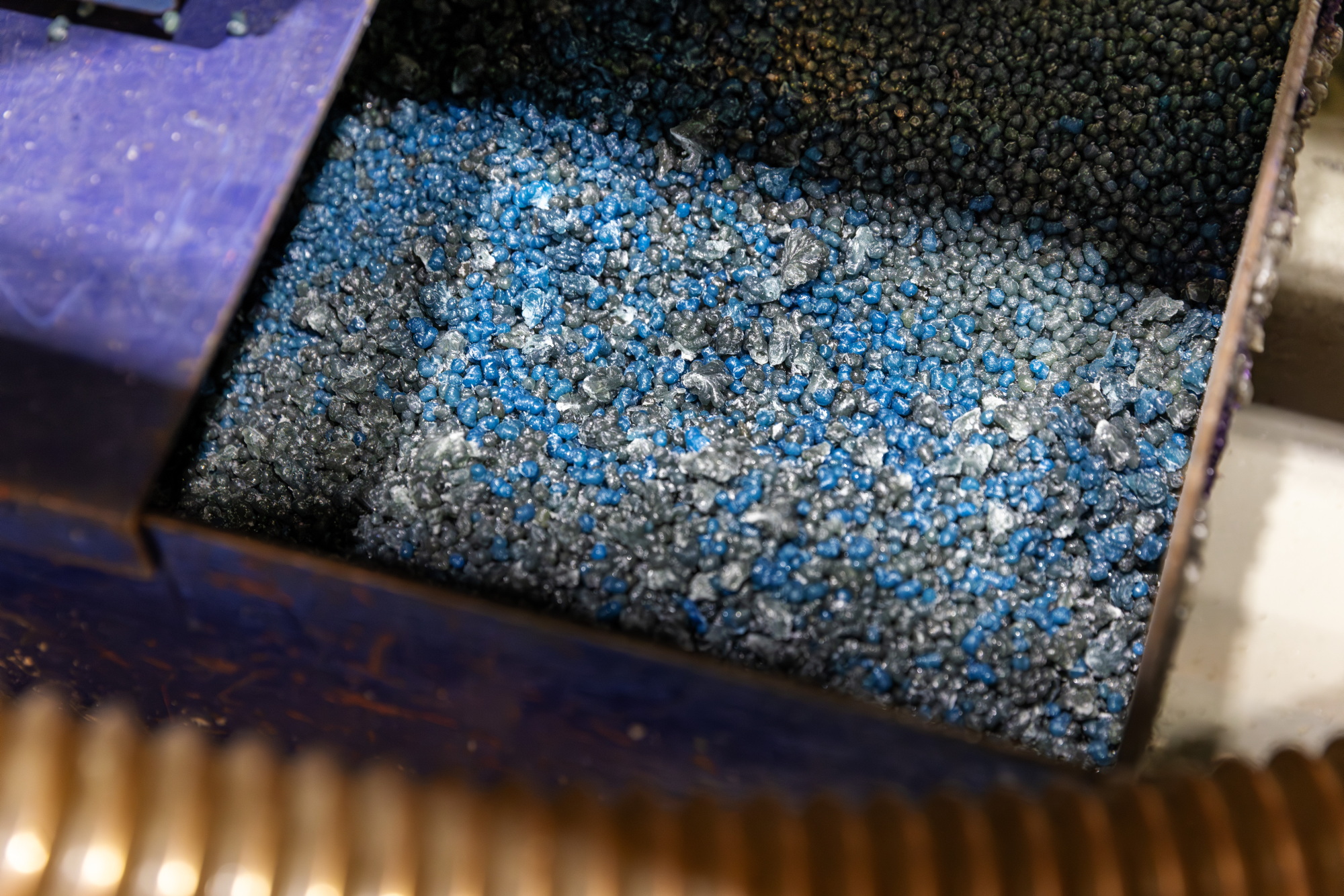
Plastic streams such as LDPE, PET, and GPPS, reviewed for polymer type, format, quality, and commercial relevance.
Fibers & OCC
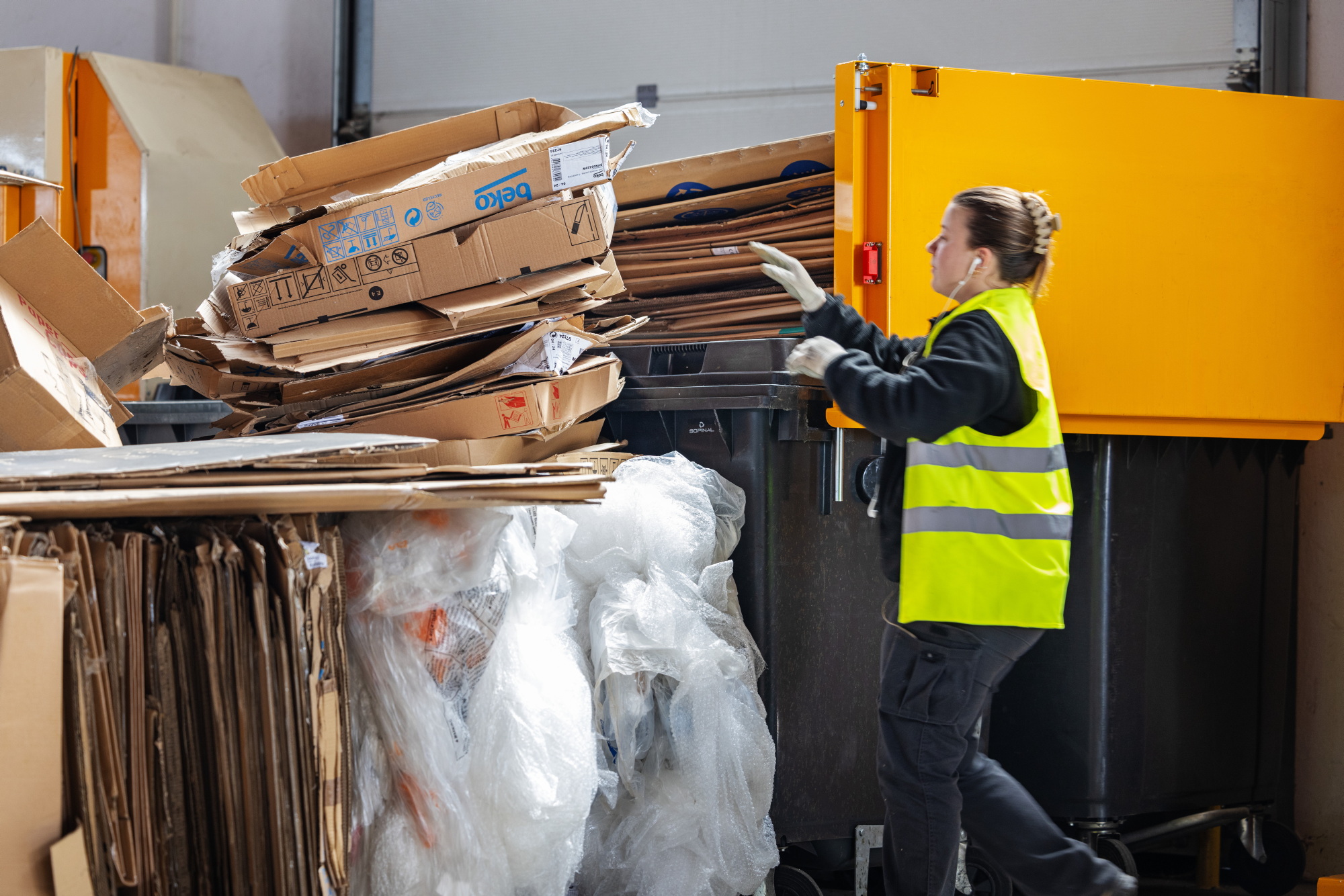
OCC, recovered fibers, paper rolls, and related grades, assessed for consistency, quality, and downstream buyer demand