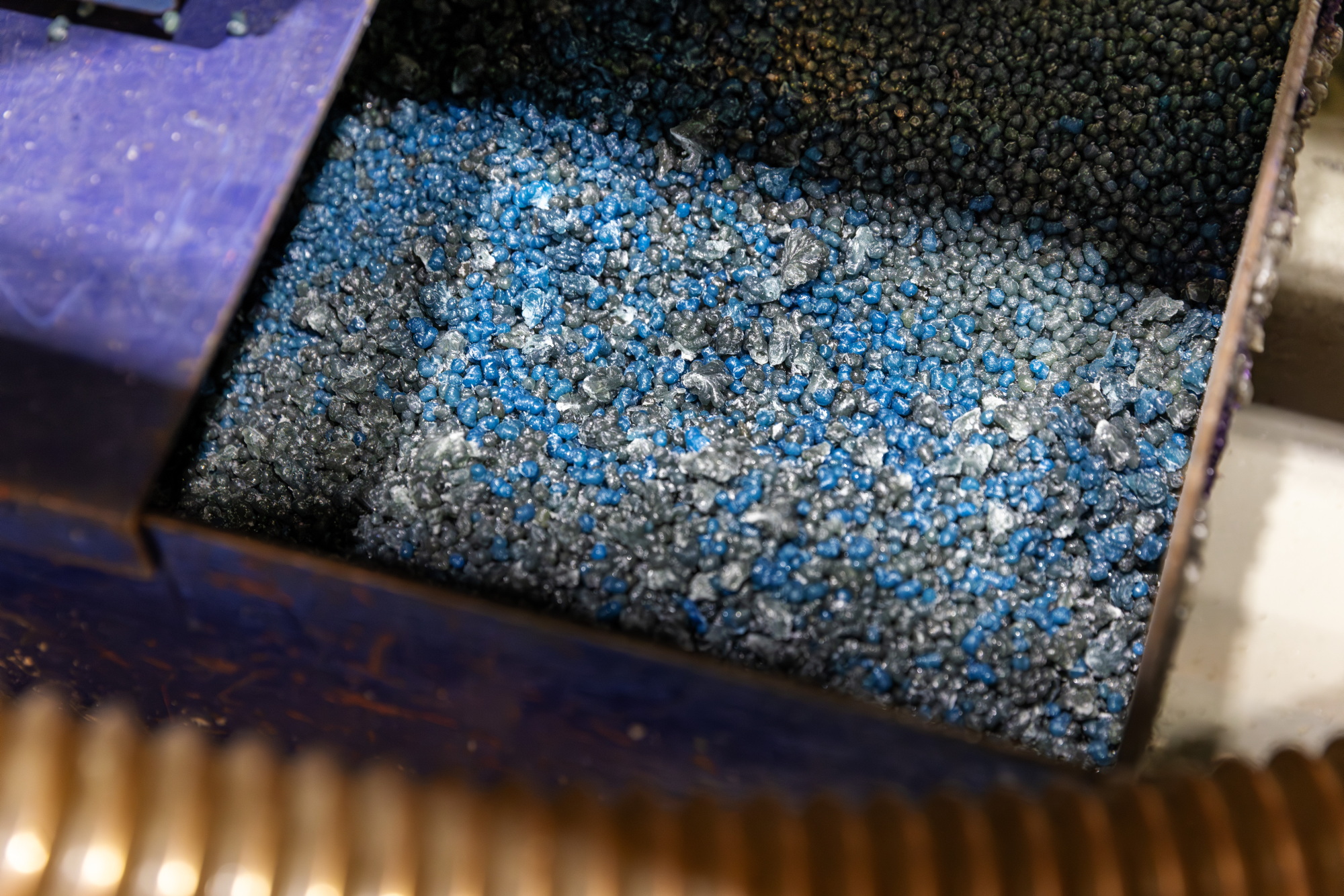
Move recyclable plastic streams into value
If you generate recyclable plastic materials such as LDPE, PET, GPPS, or related streams, BEWI Connect helps you assess the material, support the logistics, and connect it to downstream demand.
PLASTIC SUPPLY
A practical route for recyclable plastic materials
Plastic streams vary in format, quality, volume, and handling requirements. We help suppliers understand what is commercially relevant, what logistics are needed, and how a material stream can move into the right downstream market.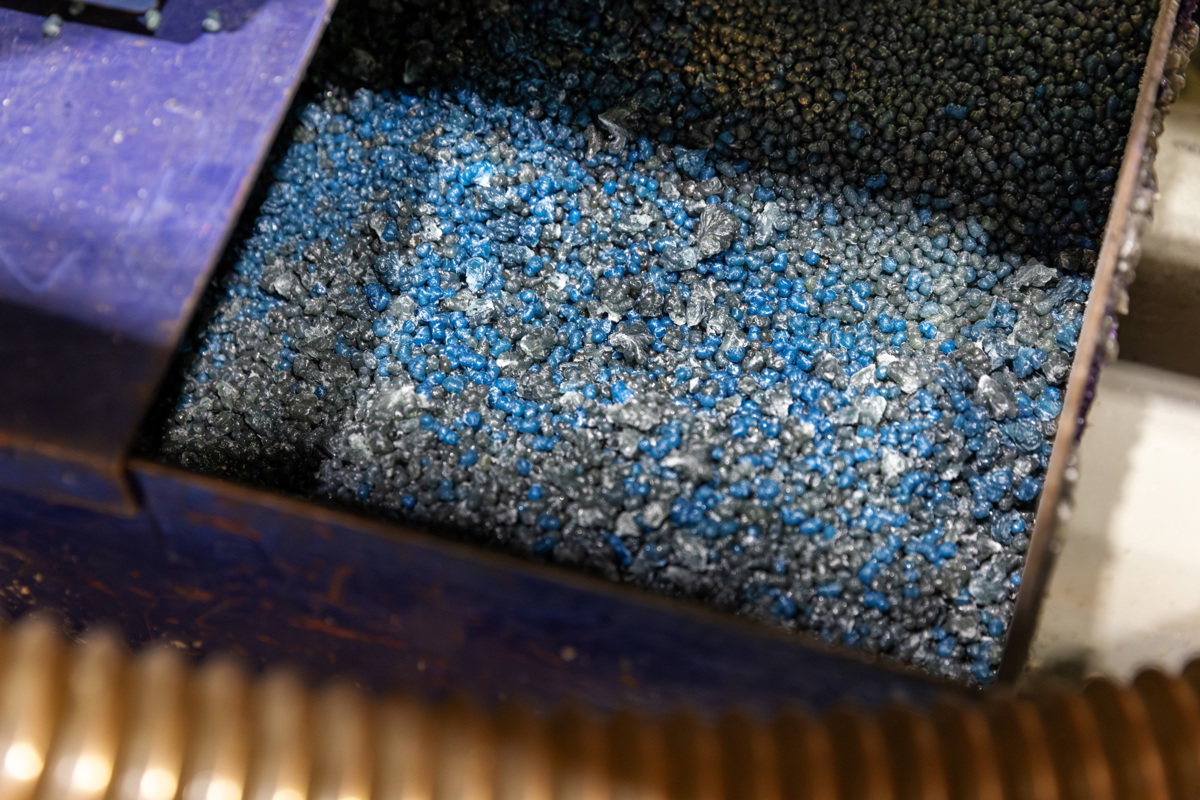
Request Information
What matters when selling plastics

Polymer type determines the route
LDPE, PET, GPPS, and HDPE each have different downstream markets, different quality requirements, and different commercial dynamics. The right buyer for one isn't necessarily right for another.

Quality is commercial
Contamination level, bale quality, moisture, and sorting consistency affect not just whether a stream is tradeable, but what it's worth. We assess this early.

Volume and format affect logistics
Whether material is baled, loose, or in bulk, and where it is located, shapes what logistics setup makes economic sense. We work with both smaller recurring streams and larger one-off volumes.
Plastic materials we buy
We work with selected recyclable plastic streams depending on format, quality, volume, and market fit.
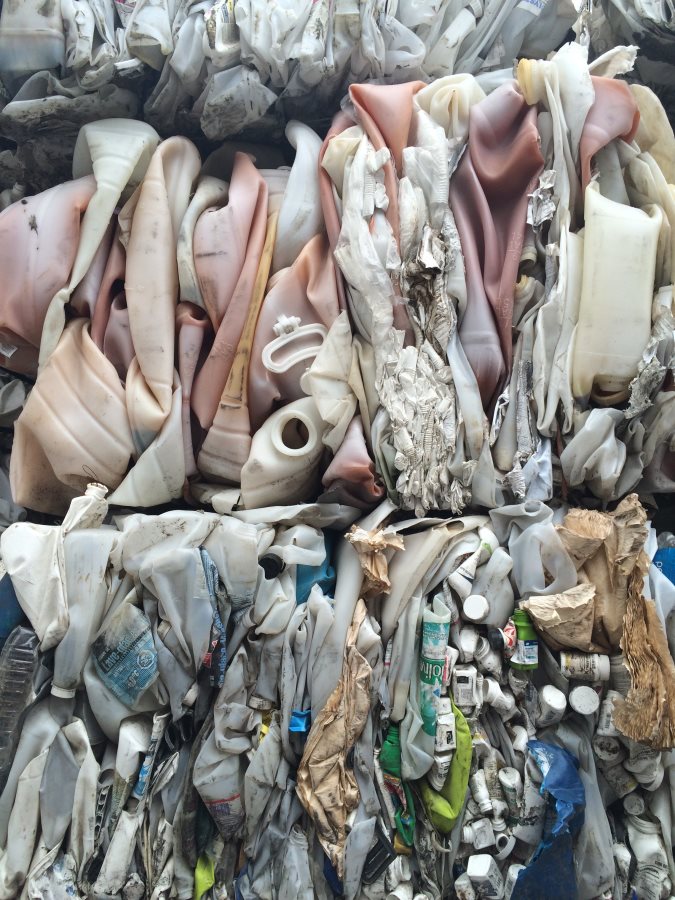
HDPE
Drums, crates, pipe, and packaging applications. Dense and logistically efficient – one of the more straightforward plastics to move when material quality is clear.
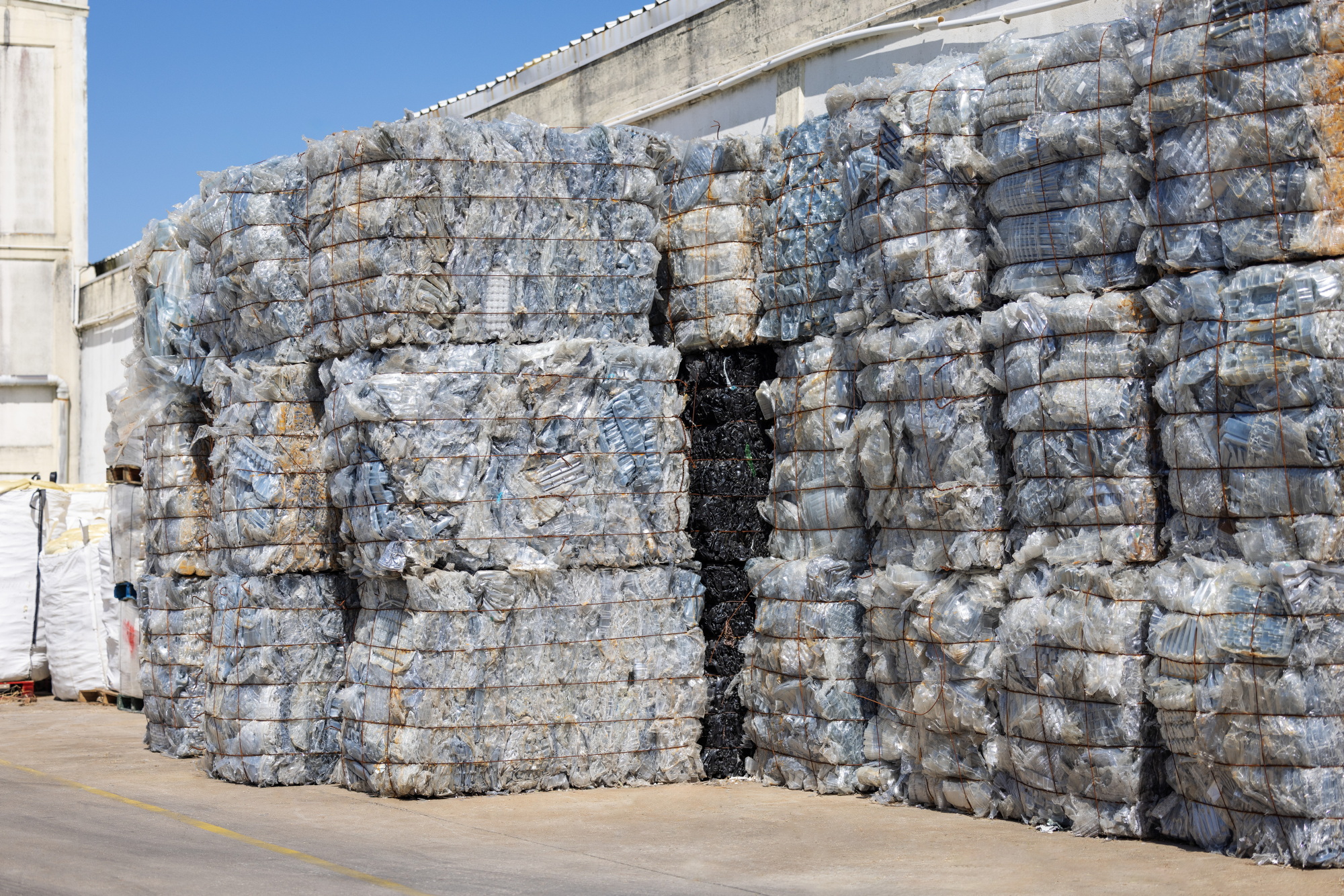
LDPE
Film, shrink wrap, and flexible packaging. Baled LDPE is one of the most consistently traded plastic grades – we work with both industrial generators and aggregators.
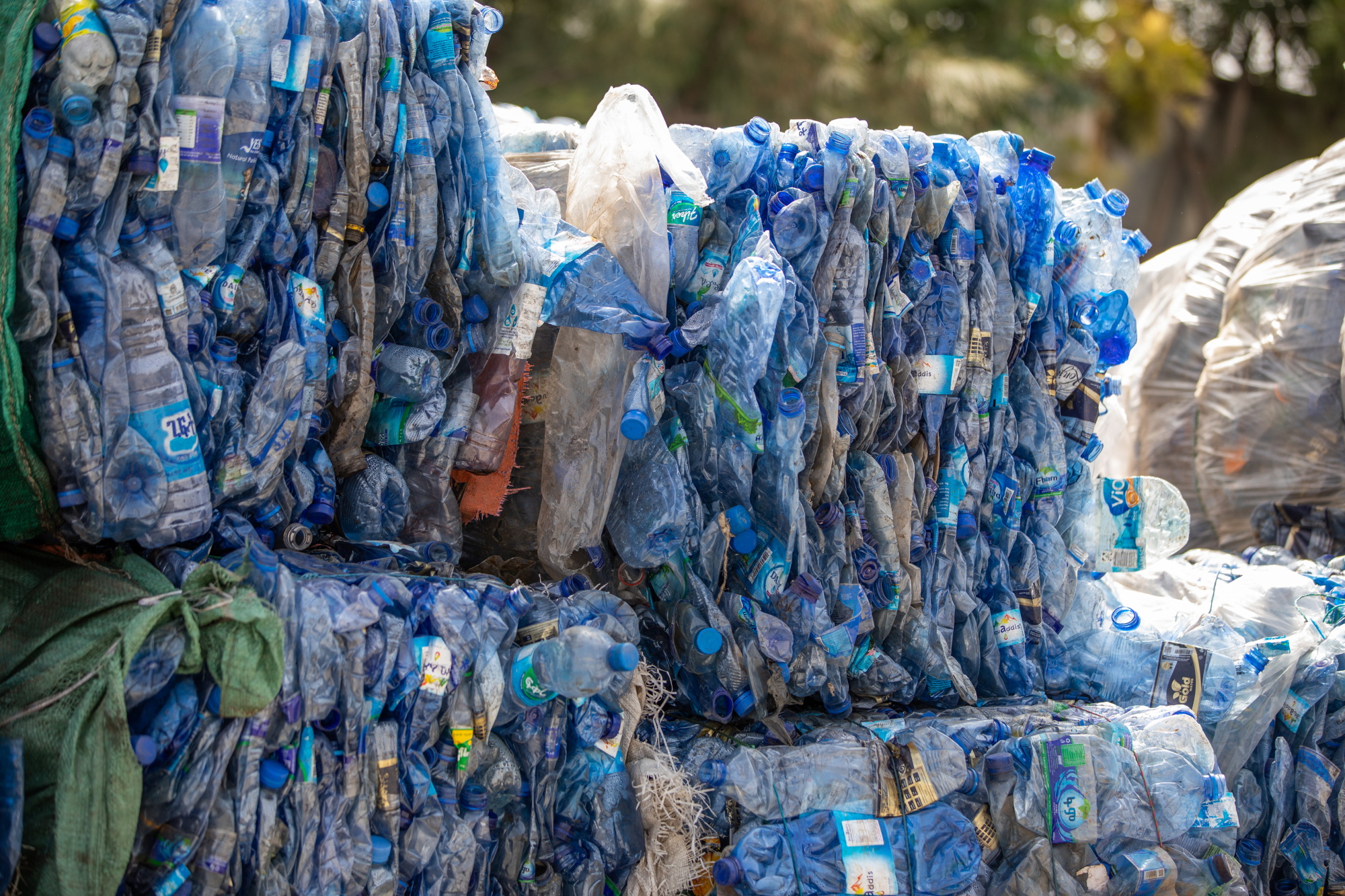
PET
Bottles, flakes, and thermoforms. One of the most established recycling markets globally, with active downstream buyers for food-grade and non-food-grade material.
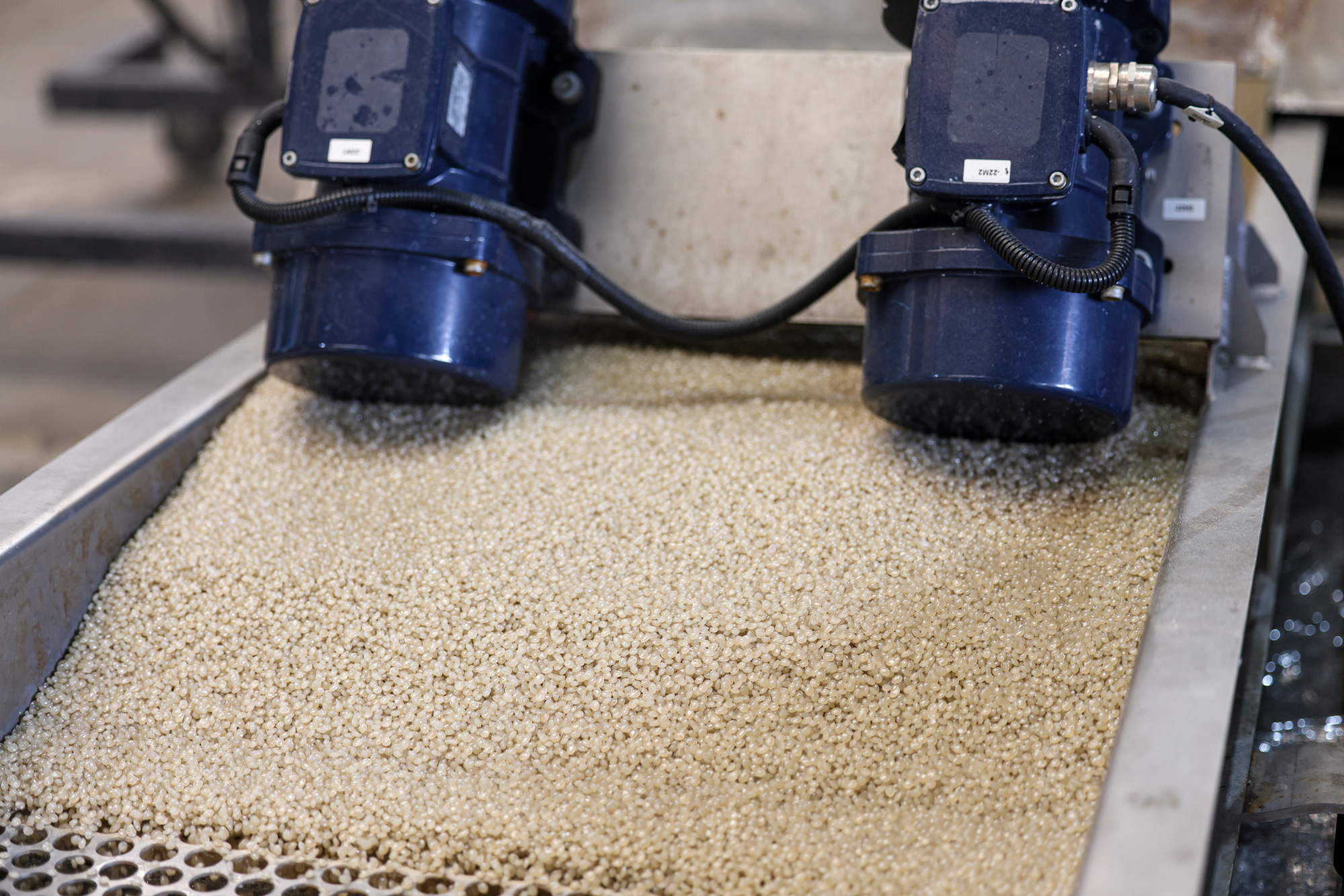
GPPS / Polystyrene
Rigid polystyrene from appliance, electronics, and industrial packaging. Quality and separation level determine commercial route.
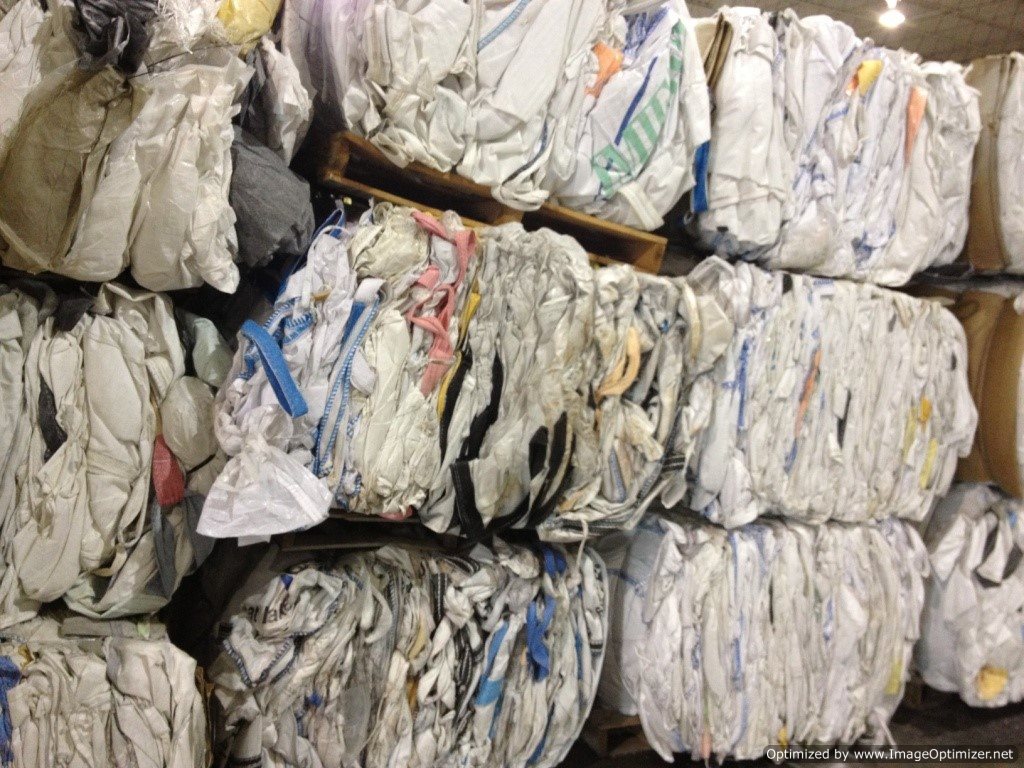
PP
Polypropylene (PP) appears in food containers, caps, tubs, automotive parts, and industrial packaging. PP recycling markets are growing – rPP demand from packaging manufacturers and automotive producers is increasing faster than consistent supply can currently support.
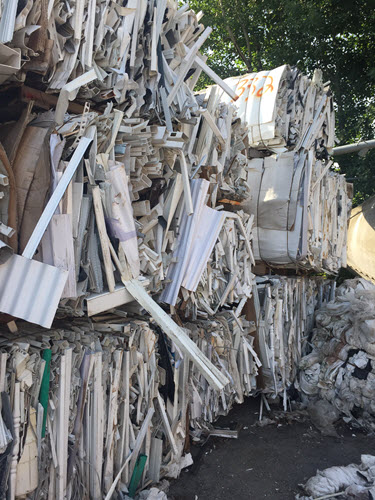
PVC
PVC (Polyvinyl Chloride) appears in pipes, window profiles, cable sheathing, and flooring. Recovery markets are narrower than for mainstream packaging plastics – PVC is incompatible with most mixed-polymer recycling streams and requires specialist processors.
Not all plastic streams move the same way
Whether a plastic stream is commercially viable depends on polymer type, bale quality, contamination level, and logistics practicality. LDPE film markets are currently soft but structurally active; HDPE sees steady demand across multiple downstream channels; PET pricing is volatile and tied closely to consumer goods production. We assess your stream against current market conditions and give you a straight answer on what's achievable — including what preparation would improve the commercial outcome.
Request an evaluation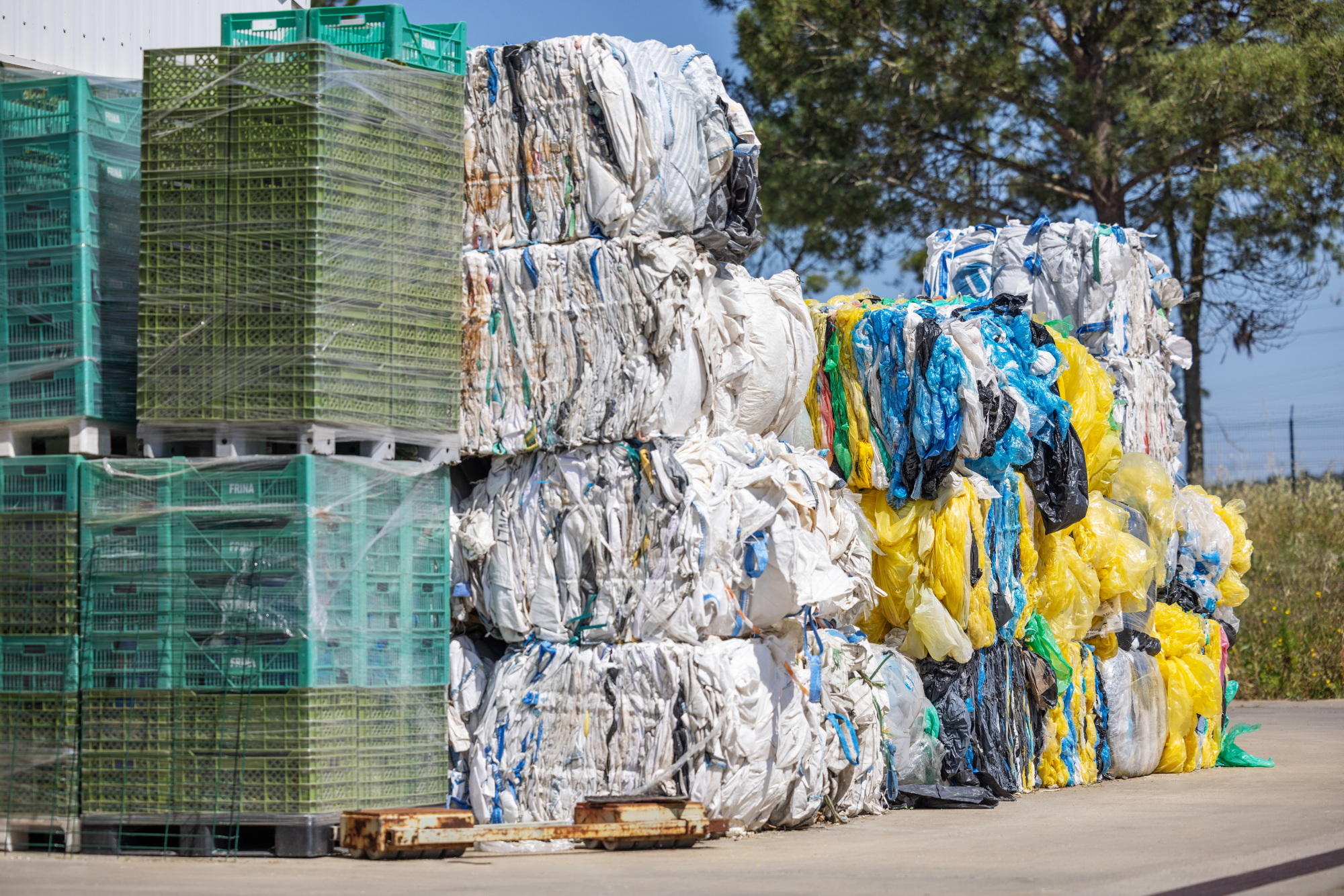
Why sell plastics to BEWI Connect

Multi-polymer trading depth
We work across LDPE, PET, GPPS, and HDPE — which means we can often find a route for mixed plastic portfolios, not just a single clean grade.

Buyer connections that match specifications
We work with processors who have specific intake requirements. We match material to buyer before presenting it, which means fewer dead ends for suppliers.

Logistics built around plastic formats
Film, bales, regrind, and granulate each have different transport and handling requirements. We build the logistics around the material, not the other way around.

Transparent commercial terms
We assess your stream and give you a direct answer on price indication, terms, and logistics cost — so you can make a real commercial decision, not a speculative one.
How we assess your plastic stream
Tell us your polymer type (LDPE, PET, GPPS, HDPE), whether the material is baled or loose, approximate monthly volume, and location. We'll respond with a direct assessment: whether your material type and quality match current buyer demand, what bale specifications or preparation would improve the commercial outcome, and what the logistics require to make the trade work.
Request an evaluation
Plastic logistics: why polymer and format both matter
Plastics move very differently depending on type and preparation. Clean, baled LDPE film and loose mixed plastics have entirely different logistics economics and buyer requirements — as do PET bottles and HDPE crates. Bale density, container fill rate, and distance to downstream buyers all affect whether the numbers work. We help suppliers identify what format and preparation make sense for their volume and material type.
Explore logistics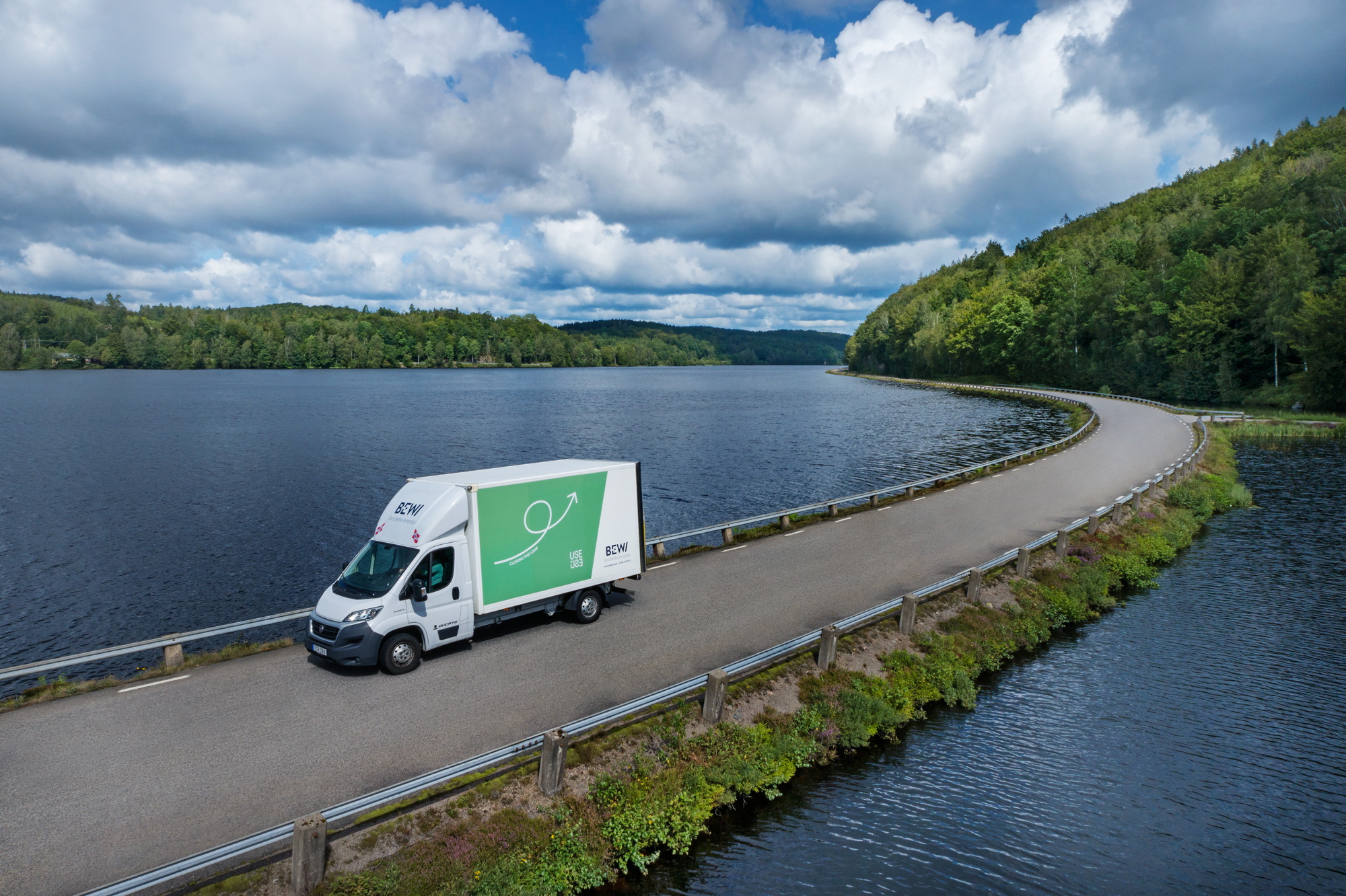
Tell us about your plastic stream
Share your polymer type, whether material is baled or loose, estimated monthly volume, and location. Our traders will come back with a direct answer on current demand, commercial terms, and what logistics setup applies to your situation.
Contact usRelated Products
View all related products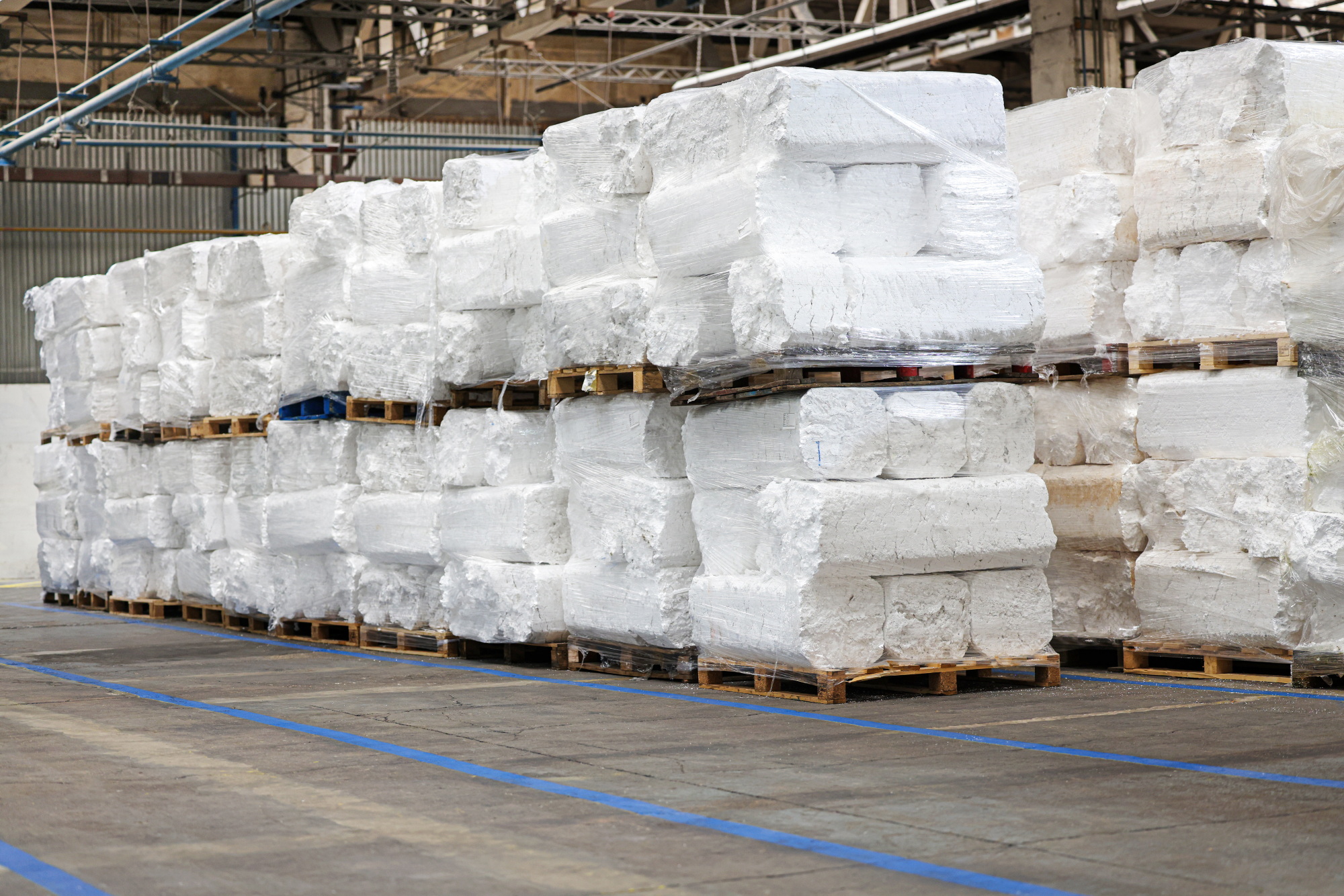
EPS
EPS from packaging, fish boxes, construction, and industrial operations — especially where bulky volumes, storage pressure, and handling make the next step harder to manage.
Fibers & OCC
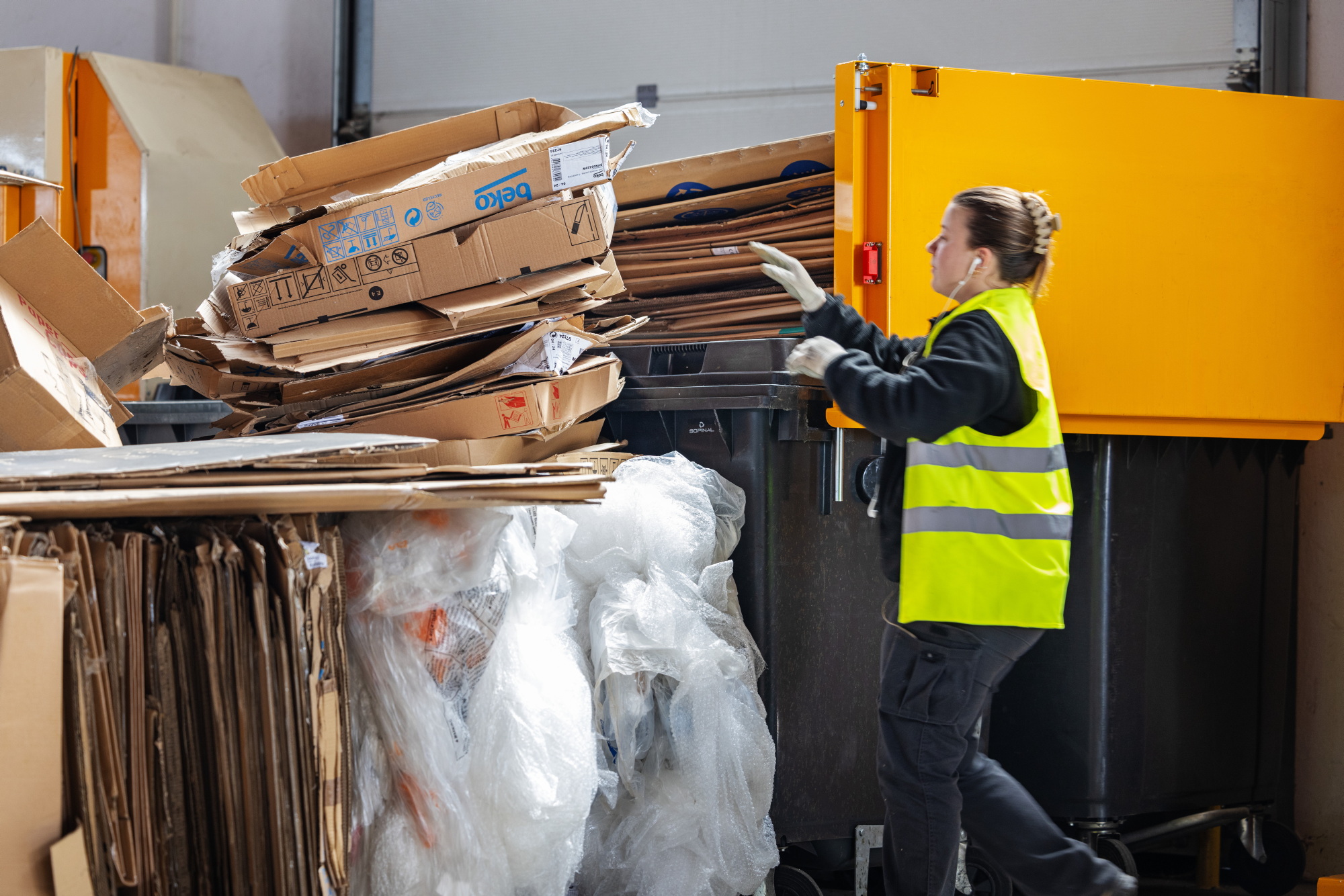
OCC, recovered fibers, paper rolls, and related grades, assessed for consistency, quality, and downstream buyer demand
Metals
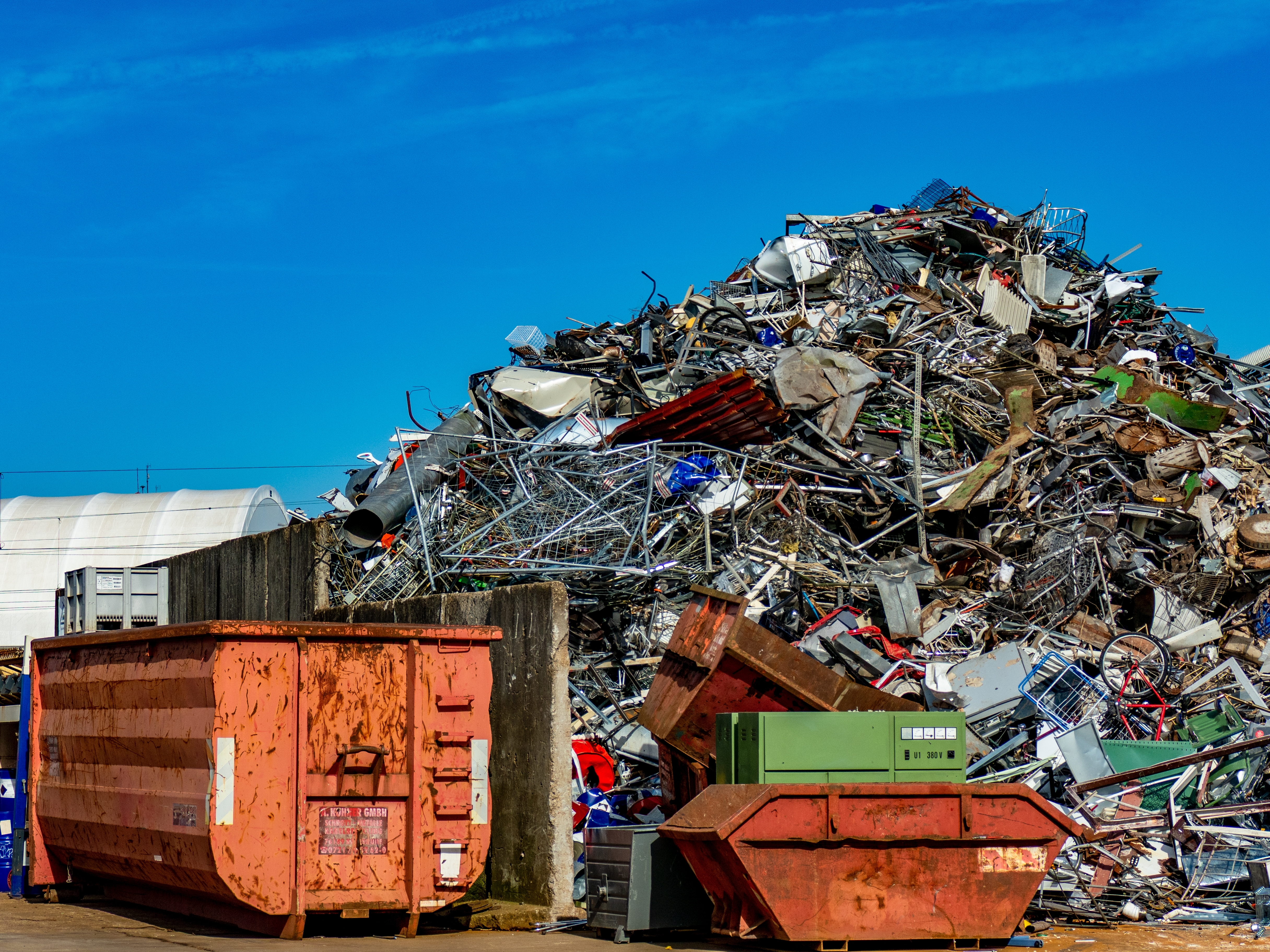
Metal streams from production, operations, and recovery processes, assessed for type, condition, and volume to build a clearer route to buyers and processors.