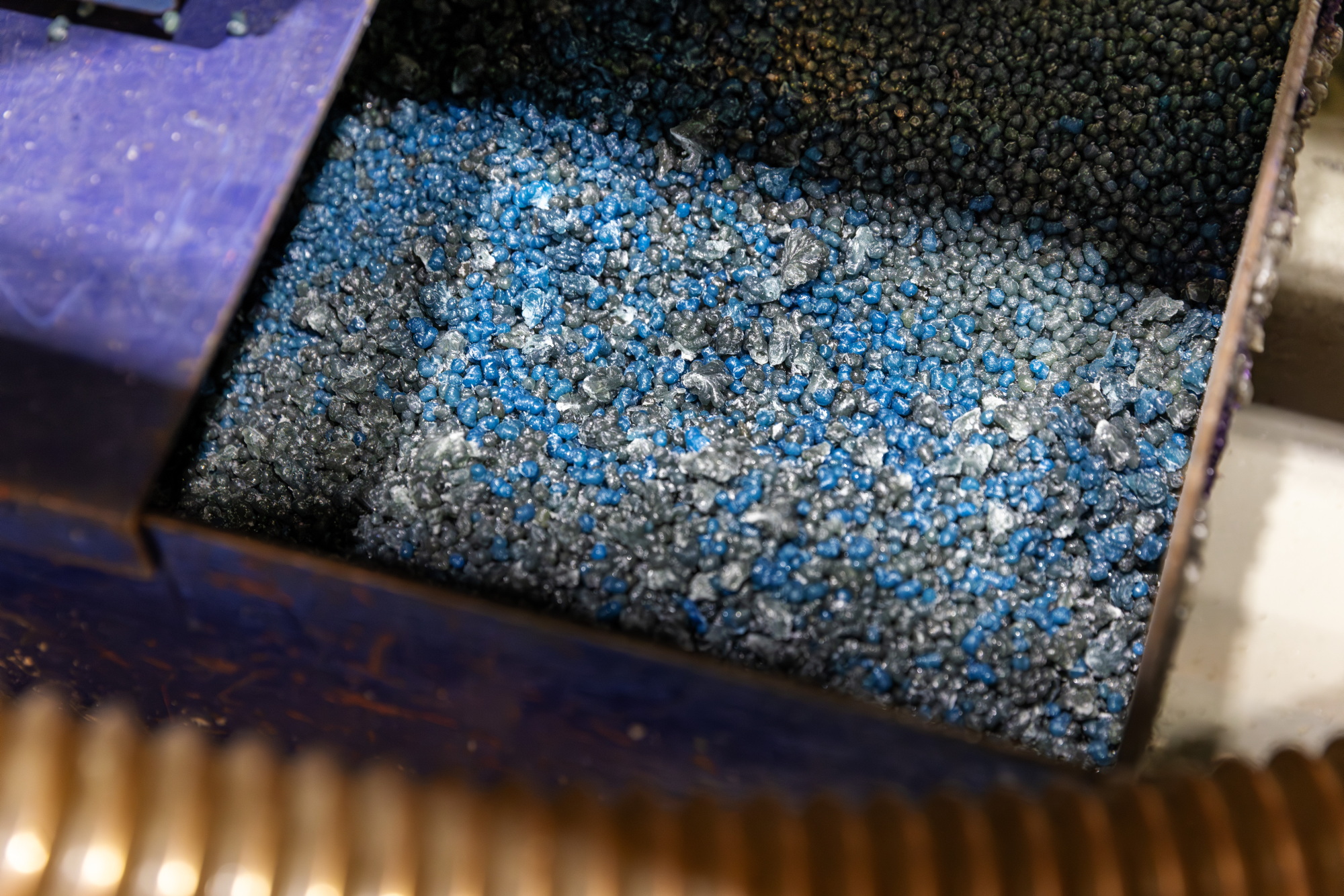
Plastic materials with practical commercial routes
BEWI Connect works with recyclable plastic streams across supply, trading, logistics, and downstream – helping connect materials such as HDPE, LDPE, PP, PET, PS, PVC, and mixed plastics to more practical commercial use.
MATERIAL FOCUS PLASTIC
Different plastic streams require different routes
LDPE film, PET bottles, HDPE containers, and GPPS granulate each have different downstream markets, quality thresholds, and logistics economics. Mixing polymer types or overstating quality are the fastest ways to lose a trade. BEWI Connect works across the major recyclable plastic categories – with the material-specific knowledge to assess, match, and move each one correctly.
Request Information
What matters across plastic streams

Polymer type determines the buyer
LDPE film goes to film extruders. PET bottles go to rPET processors. GPPS granulate goes to injection moulders. These are different markets with different specifications. We source and place material into the right channel — not the nearest available one.

Contamination level determines value
A Grade A LDPE bale (95%+ clear film, <5% contamination) and a mixed-color LDPE bale are priced differently and placed differently. Quality assessment before trade is not optional — it determines whether a deal holds at delivery.

Format and volume shape logistics economics
Film, bales, regrind, and granulate each require different handling and transport setups. Volume determines which logistics format makes sense. We build logistics around the material, not the other way around.
Reliable demand, quality-sensitive supply
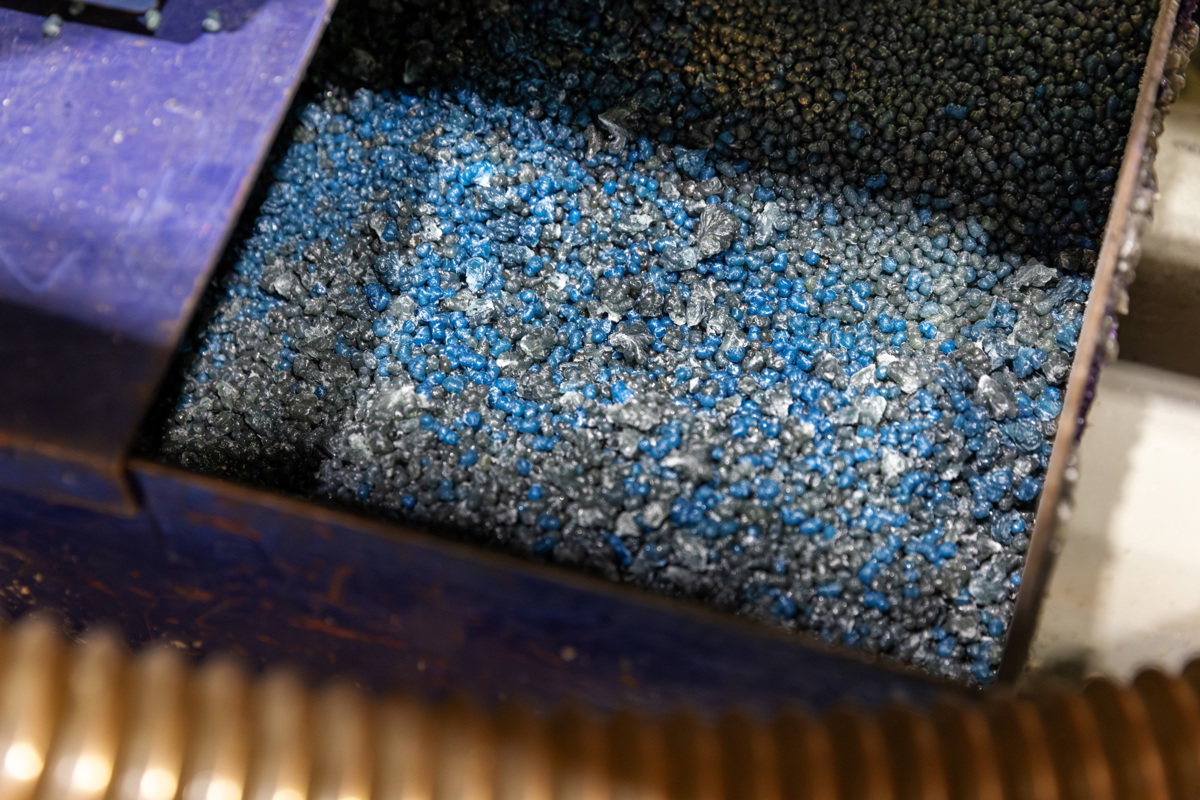
HDPE (High-Density Polyethylene) appears in bottles, drums, crates, piping, and industrial containers. Natural HDPE commands stronger pricing than colour; food-contact grades require specific sourcing documentation. HDPE sees consistent downstream demand from pipe manufacturers, plastic lumber producers, and packaging converters. Separation from other polymers and correct bale density are the primary quality factors.
Contact us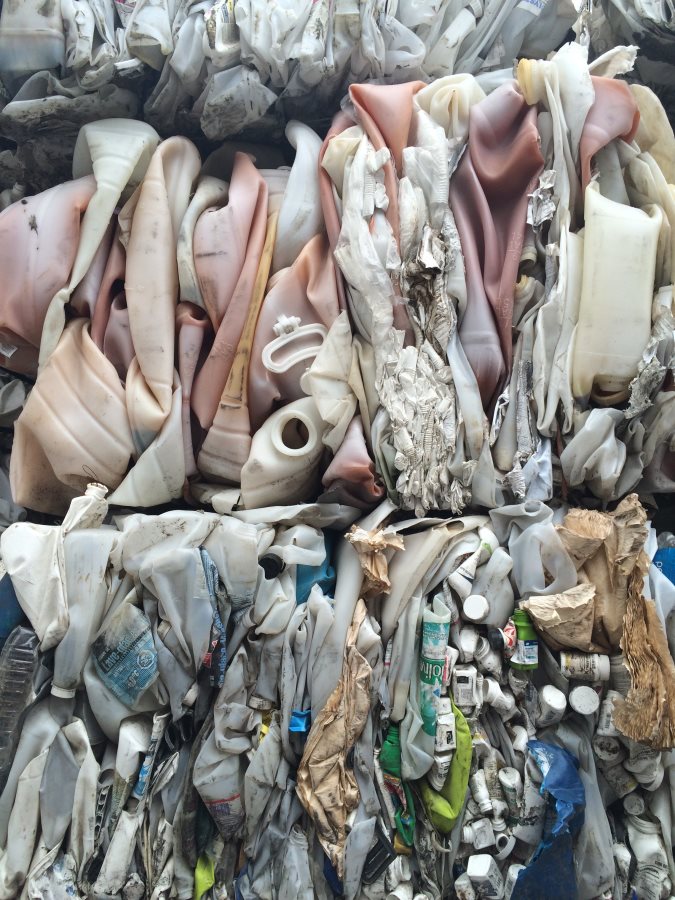
High volume, quality-driven pricing
LDPE (Low-Density Polyethylene) includes stretch wrap, shrink film, bags, and flexible packaging. Grade A material — 95%+ clear, dry, and baled — commands significant premium over mixed-colour grades. Black film cannot be upgraded to clear; PP or PVC contamination ruins an entire bale. Market supply is currently long, but consistent industrial volumes of clean material remain actively traded.
Contact us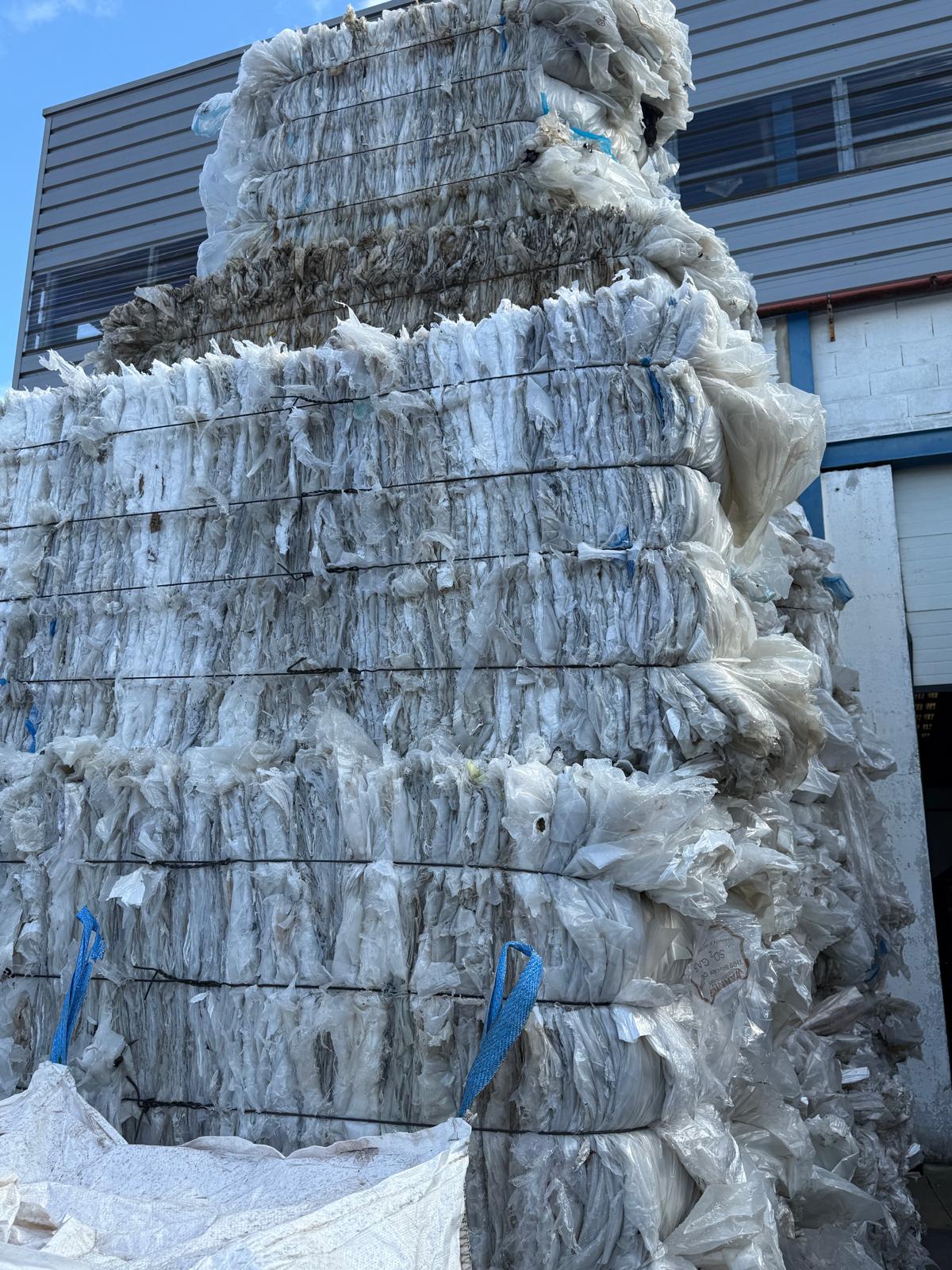
Growing demand, constrained feedstock supply
Polypropylene (PP) appears in food containers, caps, tubs, automotive parts, and industrial packaging. PP recycling markets are growing — rPP demand from packaging manufacturers and automotive producers is increasing faster than consistent supply can currently support. Feedstock quality and source traceability are the key constraints. Well-sorted, mono-grade PP bales connect to active downstream buyers.
Contact us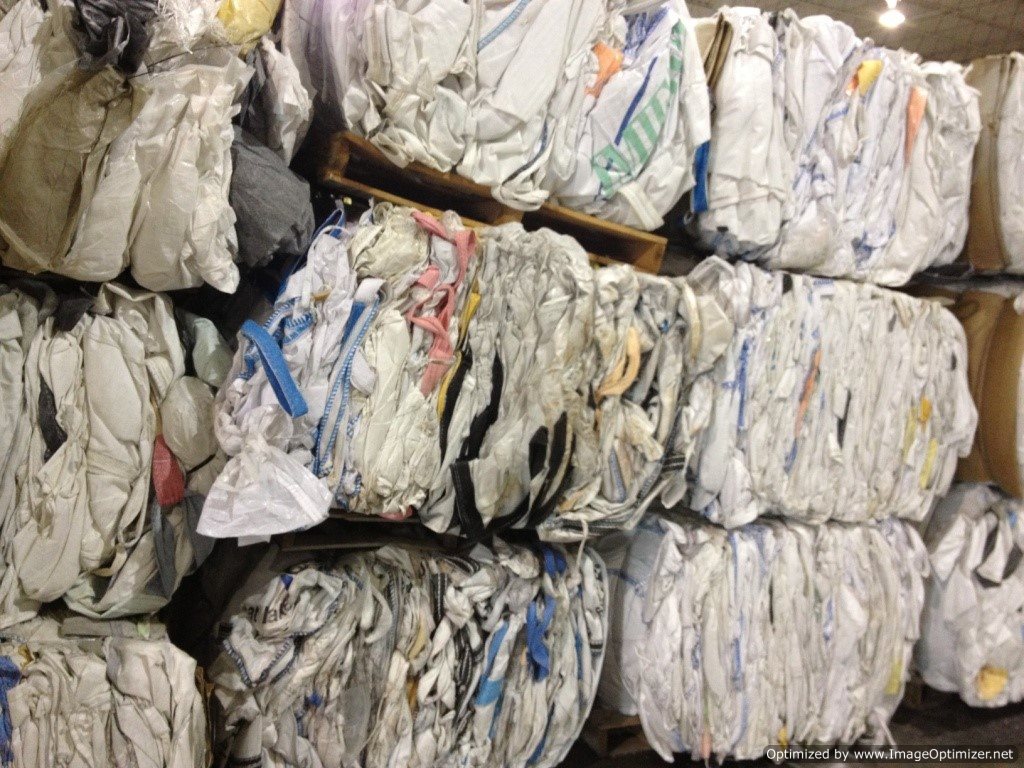
How common plastic streams move forward
Rigid packaging
Sorted bottles, containers, and tubs in mono-grade streams connect to reclaimers producing pellets for new packaging and industrial products. Contamination thresholds are strict: most buyers require below 5% total contamination.

Flexible films
Baled LDPE and LLDPE film goes to film extruders producing new stretch wrap, agricultural film, and packaging. Requires indoor storage and consistent bale weight to maintain grade.

Industrial and technical plastics
Larger items such as crates, drums, pallets, and technical components require application-specific assessment. Material type identification is the starting point.

Mixed fractions
Mixed plastic bales narrow the buyer pool significantly. Value depends on composition and contamination level — we assess honestly and tell you what a stream is actually worth at current market conditions.
The most traded plastic grade, with pricing that moves
PET (Polyethylene Terephthalate) is the most actively traded recyclable plastic globally. Bottles dominate — food-grade and non-food-grade streams have different buyer categories. Thermoforms are more technically challenging and command lower pricing. PET bale pricing is currently under pressure from virgin resin competition and facility closures, but underlying demand from fibre, packaging, and strapping producers remains structurally strong.
Contact us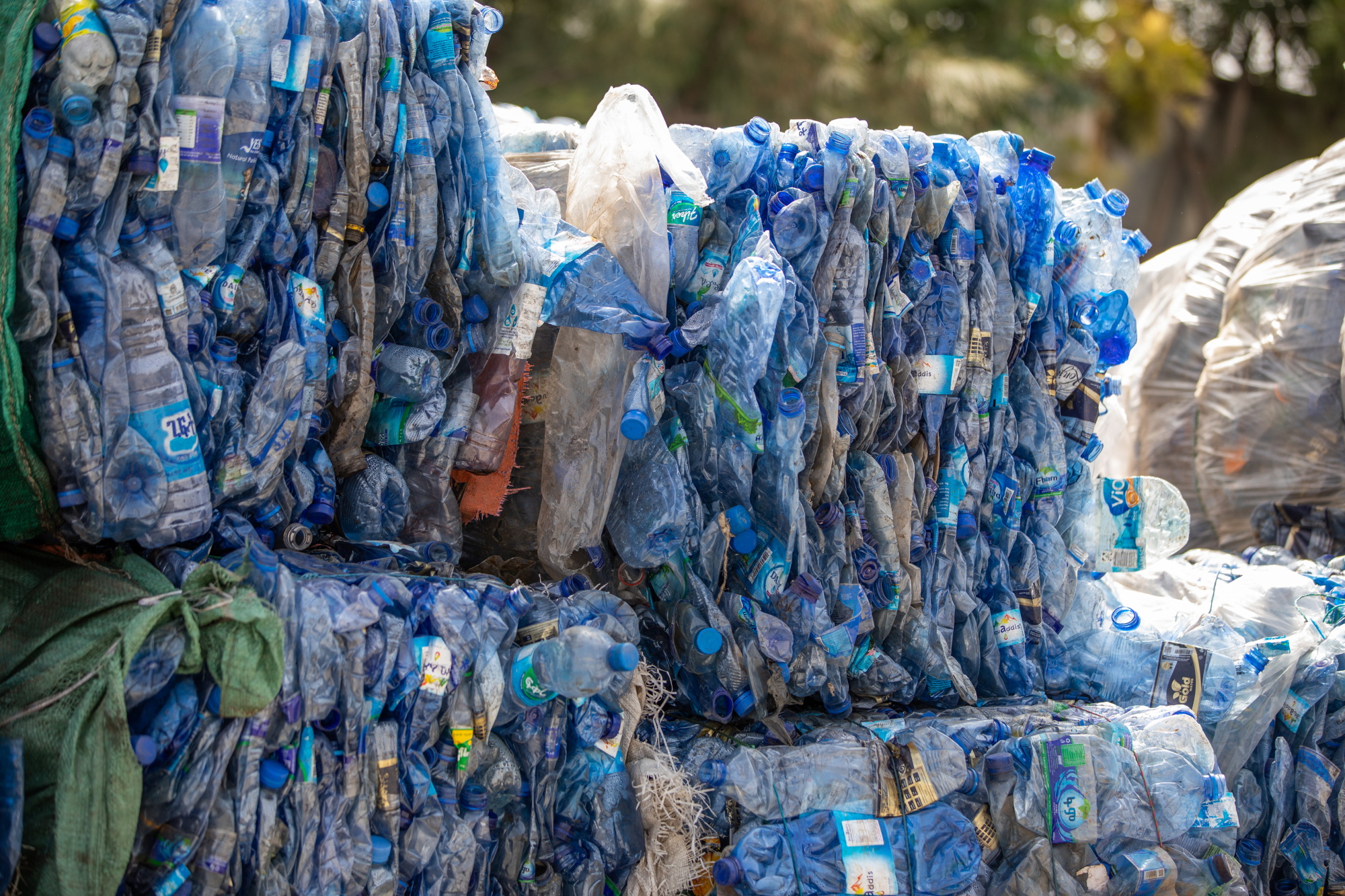
A technically specific but growing recycling market
Rigid polystyrene (GPPS) appears in food containers, electronics packaging, cosmetics, and display cases. Recovered GPPS is processed into rGPPS granulate for injection moulding and extrusion. The market is growing — 126 companies across North America now handle recovered polystyrene, with over half operating as manufacturing end markets. Clean, separated GPPS commands good terms; contaminated or mixed-PS streams are significantly harder to place.
Contact us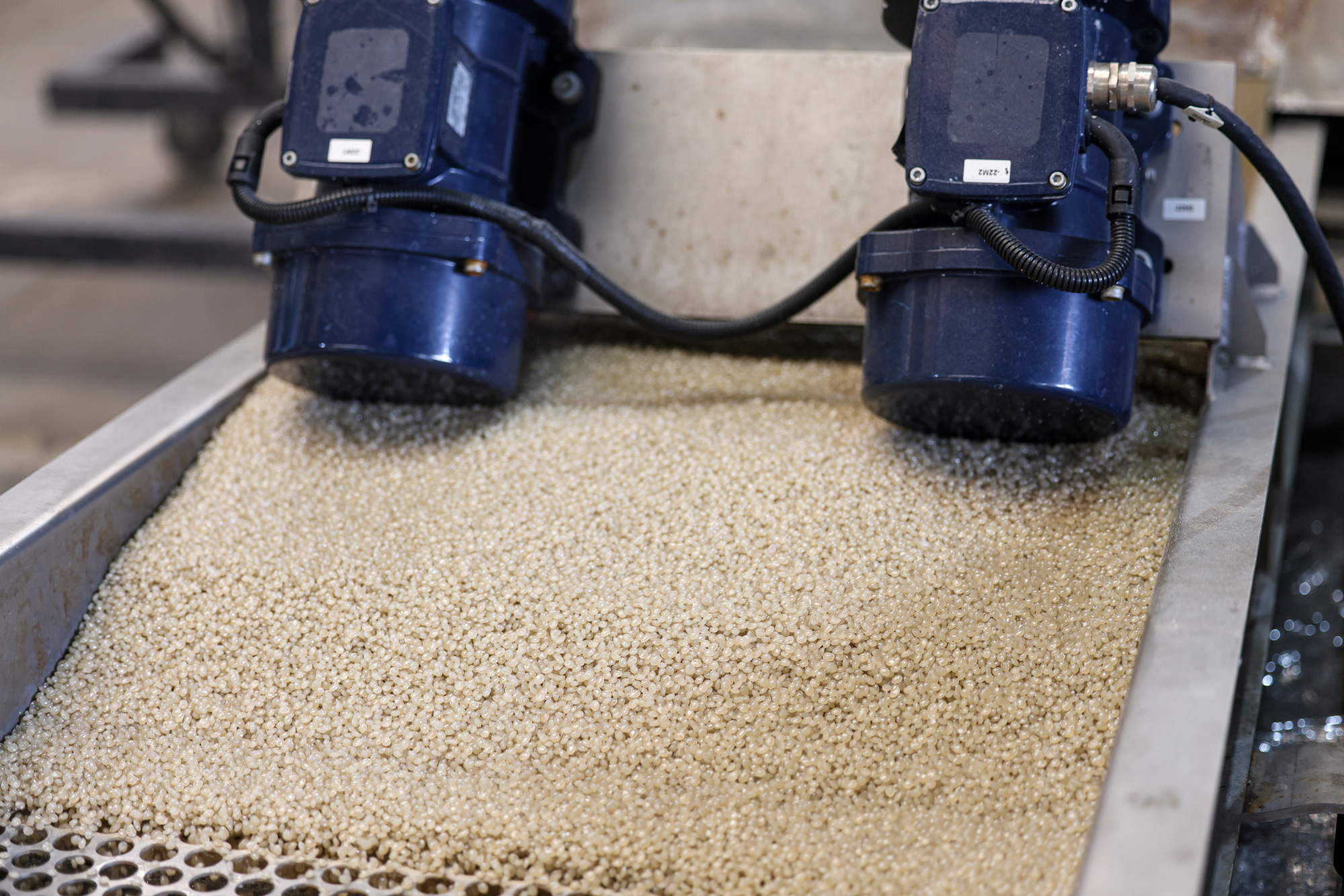
Application-specific with narrow recovery routes
PVC (Polyvinyl Chloride) appears in pipes, window profiles, cable sheathing, and flooring. Recovery markets are narrower than for mainstream packaging plastics — PVC is incompatible with most mixed-polymer recycling streams and requires specialist processors. We assess PVC streams case by case. If a practical route exists at your volume and location, we'll identify it. If it doesn't, we'll tell you that clearly.
Contact us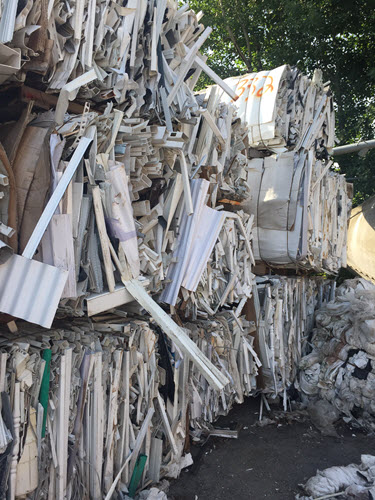
Value depends on what's actually in the bale
Mixed plastic streams narrow the buyer pool significantly. The commercial route depends entirely on composition — a bale that is primarily HDPE and PP with low contamination is a different proposition from a genuinely mixed multi-polymer fraction. We assess composition before pricing, not after. If sorting a portion of the stream would materially improve commercial terms, we'll say so.
Contact us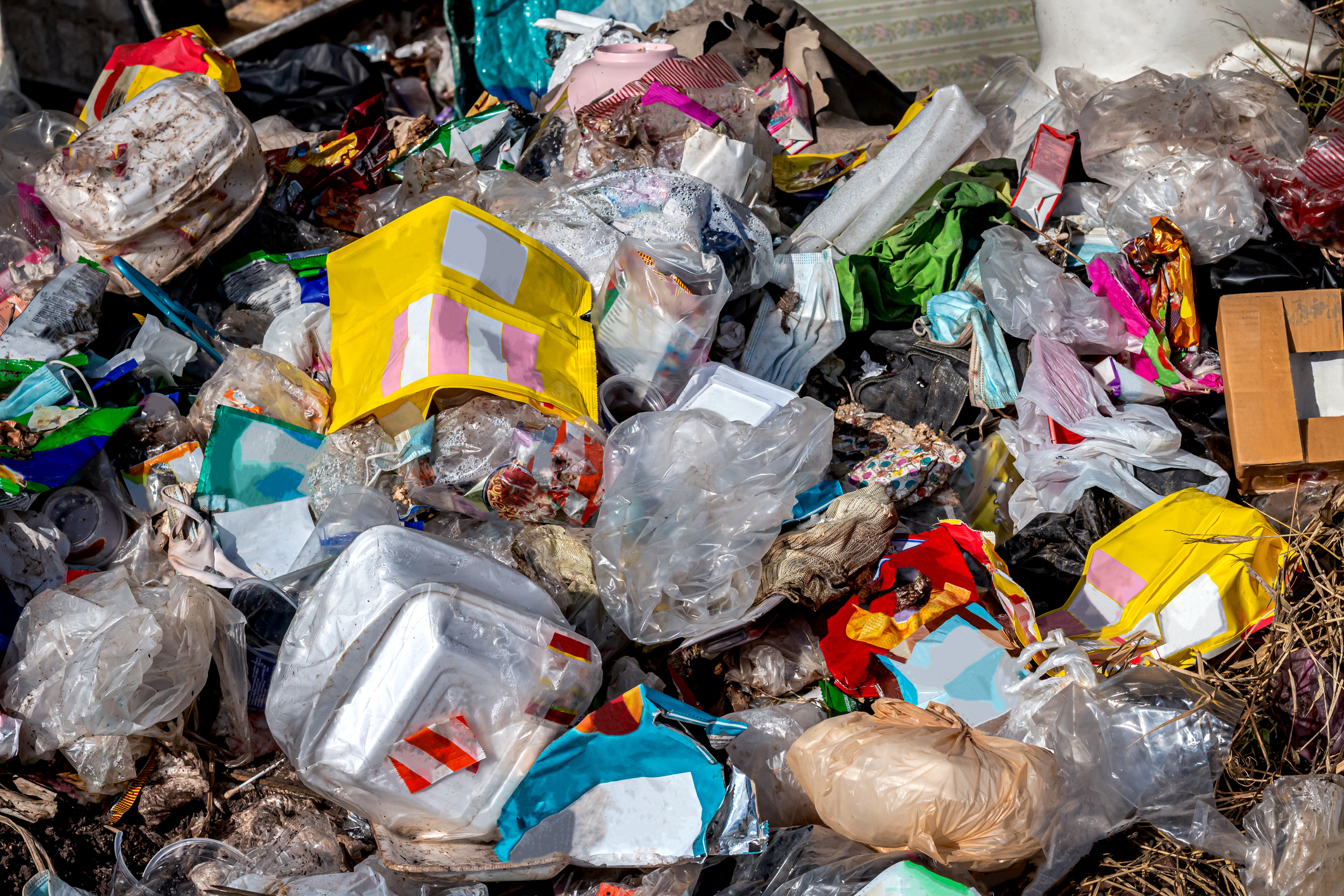
EPS is handled separately on our EPS page
Expanded polystyrene follows its own routes across format, handling, logistics, and downstream use. Explore our dedicated EPS page for more relevant information.
Explore EPSHow BEWI Connect adds value across plastic materials
Polymer-specific market knowledge
We know which grades each downstream buyer category requires, what contamination thresholds apply per market, and how pricing moves across LDPE, PET, HDPE, PP, and GPPS. That specificity reduces failed trades and rejected loads.

Pre-assessed supply and demand
We evaluate material quality before presenting it to buyers, and assess supply sources before presenting them to buyers. Both sides receive counterparties that have already been qualified.

Logistics matched to format
Film, bales, regrind, and pellets each require different handling and transport setups. We build logistics around material type and volume — not around a standard template applied to every stream.
Honest commercial assessment
Recycled plastic markets are volatile and currently under pressure from virgin resin competition. We give buyers and sellers a current, accurate market read — including when conditions don't support a trade.
Recycled content demand is structural — supply quality is the bottleneck
Brand sustainability commitments and packaging regulations are driving recycled content demand across all major polymer categories. The documented challenge is not lack of demand — it's feedstock quality and supply reliability. Buyers report difficulty finding consistent, correctly specified material. We address that gap by connecting verified supply to buyers with real, current intake requirements.
Circular economy
Ready to move plastic material?
Whether you generate plastic streams and need consistent buyers, or source recycled content for production and need reliable supply — our traders respond directly.
Contact usRelated Products
View all related products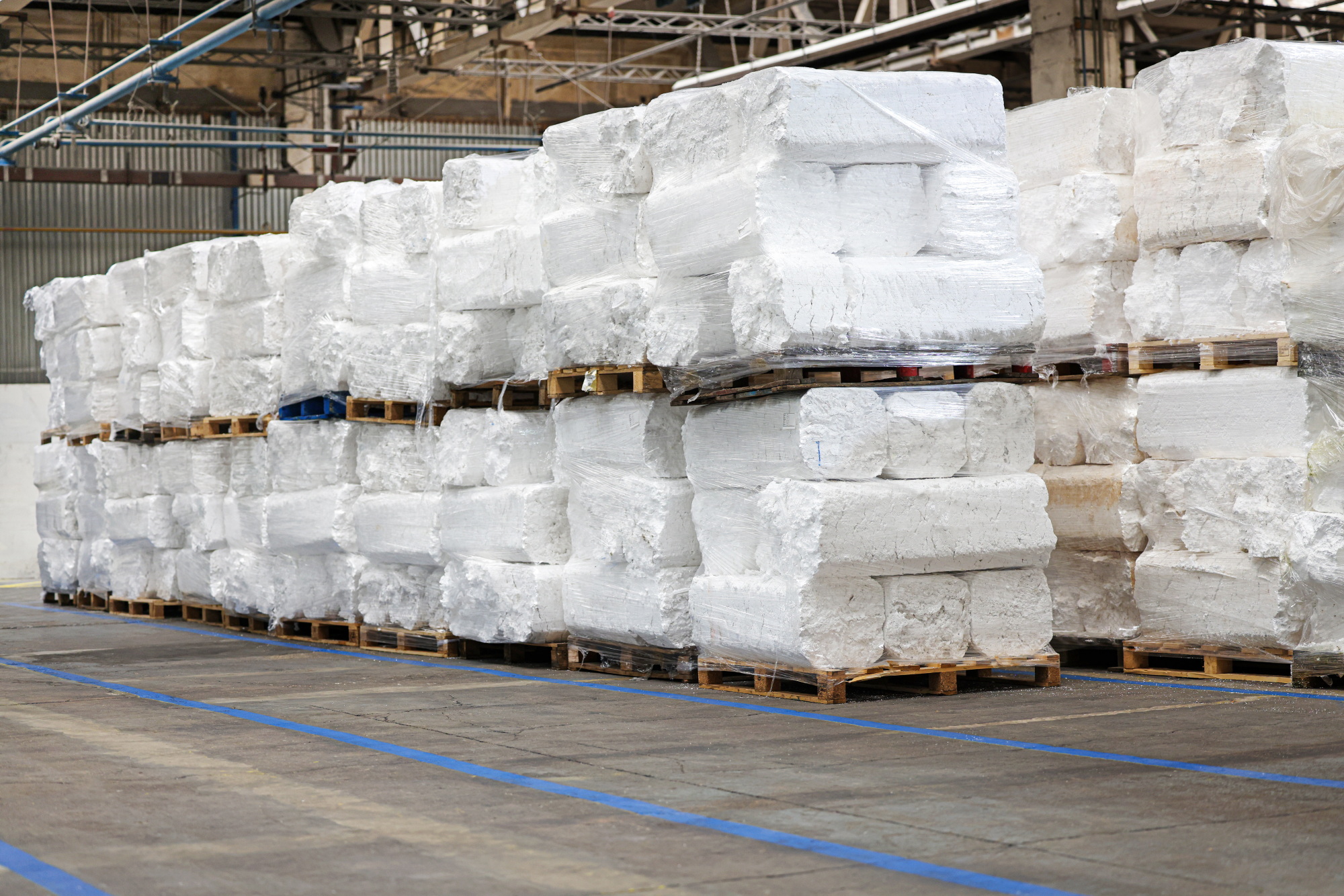
EPS
A volume-sensitive material used in packaging, fish boxes, construction, and industrial applications, where preparation and movement often determine viability.
Fibers / OCC
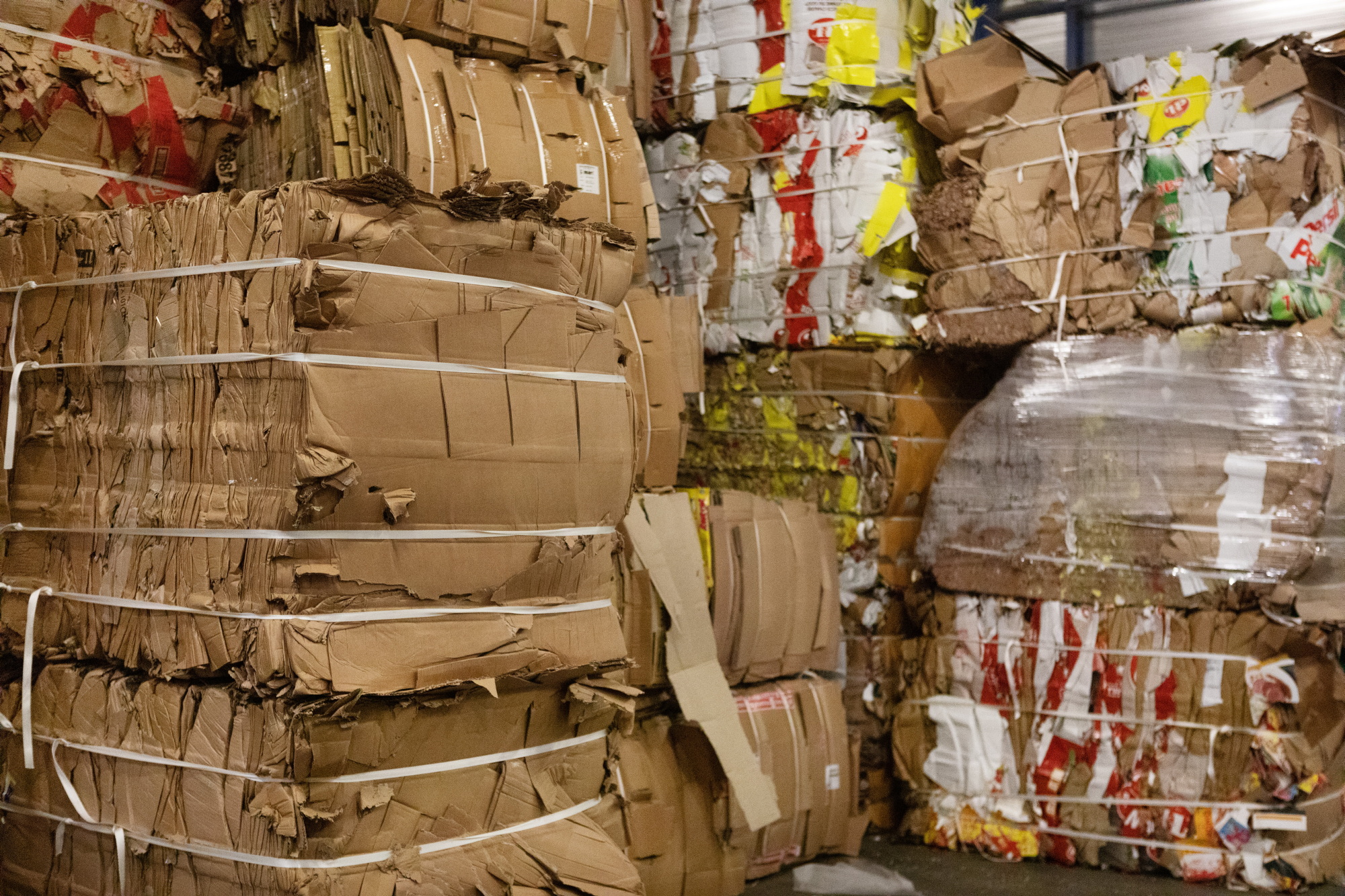
Recovered fibers, OCC, paper rolls, and related grades, where consistency, quality, and buyer requirements shape commercial relevance.
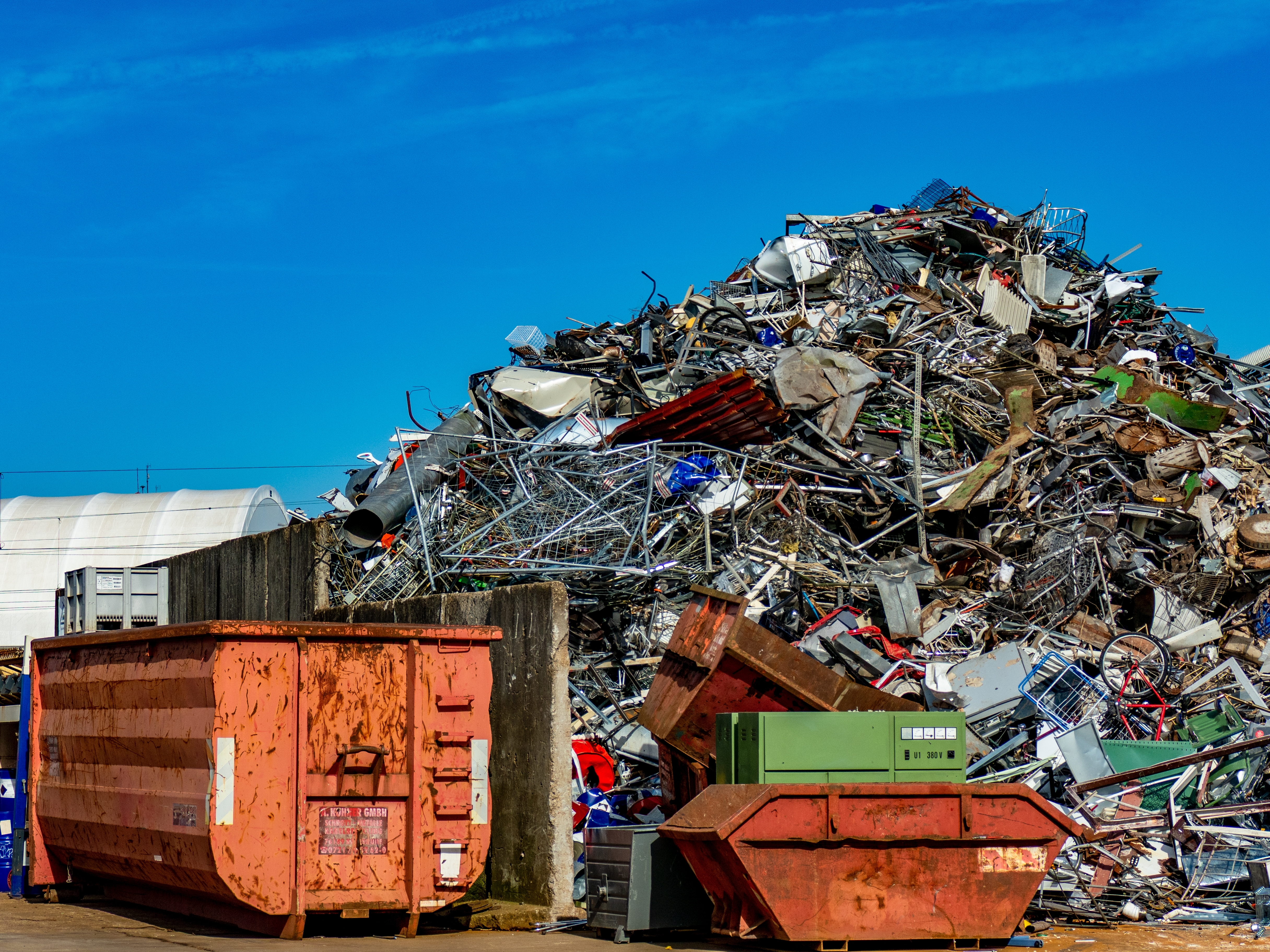
Metals
Metal streams from industrial, operational, and recovery environments, assessed by type, separation, condition, and processor fit.