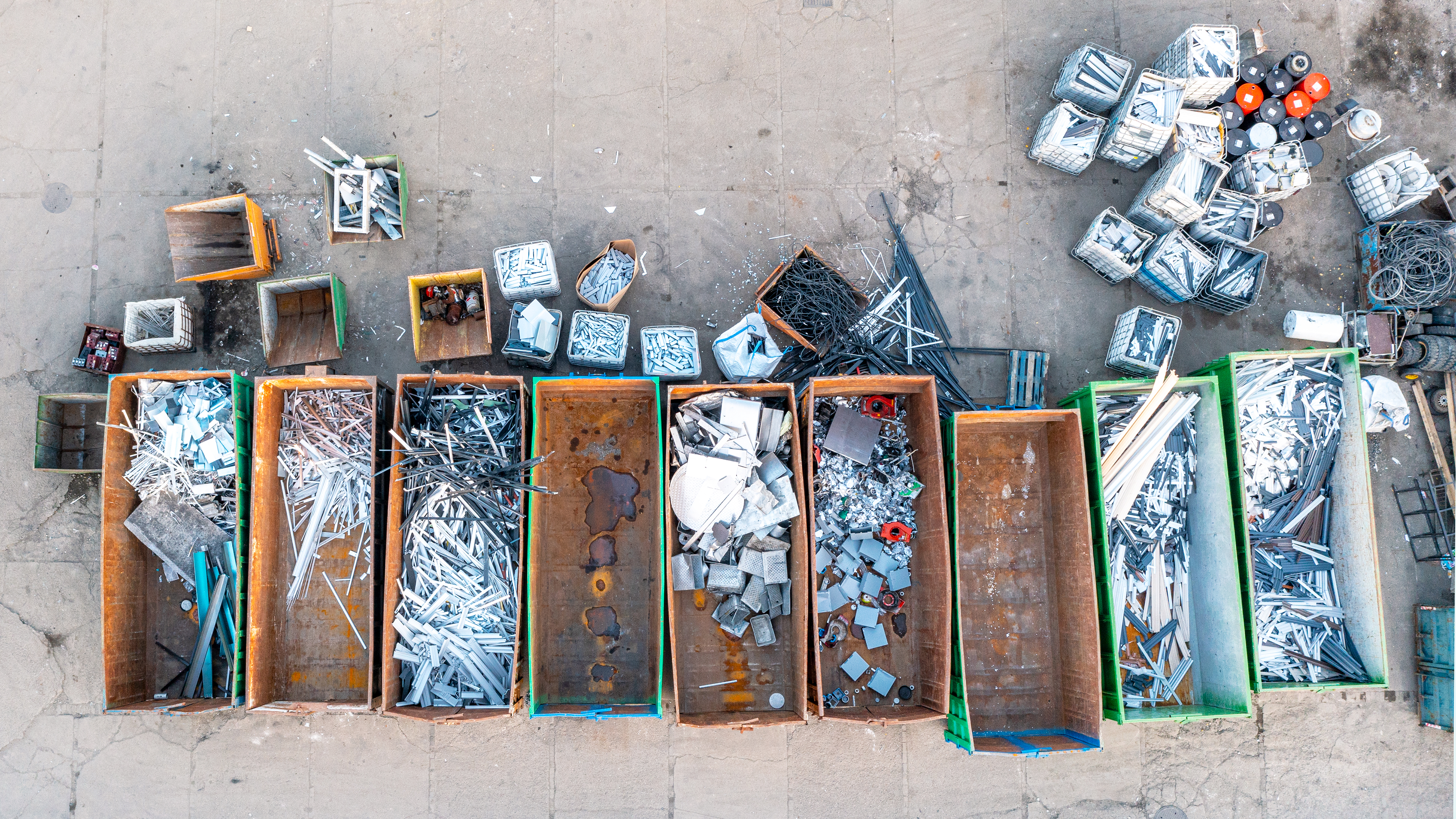
Recyclable metal streams with practical commercial routes
BEWI Connect works with selected metal streams across supply, trading, logistics, and downstream demand — helping connect recyclable material flows to more practical commercial use.
MATERIAL FOCUS METAL
Scrap metal is a commodity market where grade and timing determine value
Scrap metal is one of the most price-transparent recyclable commodity markets – but that transparency cuts both ways. Ferrous and non-ferrous markets move on current commodity pricing, and the gap between a well-sorted, correctly graded stream and a mixed or contaminated one can represent significant value per tonne. BEWI Connect works across ferrous, non-ferrous, and industrial manufacturing scrap with the material knowledge to assess, grade, and place each stream correctly.
Request Information
What matters in metals

Ferrous and non-ferrous are different markets
Steel and iron scrap, aluminium, copper, and brass each have distinct downstream processor categories, pricing mechanisms, and quality requirements. The same piece of mixed metal scrap may be worth very different amounts depending on separation quality.

Separation quality directly affects commercial terms
Sorted, identified grades command better pricing and connect to more buyer options than mixed or contaminated material. We help suppliers understand when sorting investment pays off — and by how much.

Weight economics define logistics
Metal is dense. Container fill rates, loading infrastructure, and distance to downstream processors are calculated on actual weight — not approximated. The logistics economics are non-negotiable; a trade that doesn't work over the relevant distance isn't viable regardless of material quality.
Scrap metal pricing moves — your route needs to move with it
Metal markets trade on current commodity pricing. A trade agreed today may look different in two weeks if ferrous or non-ferrous benchmarks shift. We provide current pricing assessments — not fixed catalogue rates — so both suppliers and buyers make decisions based on real market conditions. Logistics economics and grade assessment are built in from the start, not added as afterthoughts.
Buy metals
Why BEWI Connect works with metals

Ferrous and non-ferrous market knowledge
We understand how ferrous grades are priced relative to steel benchmarks, how aluminium and copper streams are assessed, and which buyer categories apply to which separation quality. That prevents mismatched trades.

Grade-verified sourcing and placement
We assess material grade before placing it with buyers, and verify supply sources before presenting them to buyers. Both sides work with counterparties that have been commercially qualified.
Weight-accurate logistics
Metal transport is calculated on actual payload. We build logistics plans using real container fill rates, loading equipment requirements, and distance economics — not approximate estimates.

Current market pricing
Scrap metal markets are commodity markets. We provide current pricing assessments based on real market conditions — not fixed rates that may be stale by the time a trade closes.
How scrap metal reaches downstream processors
Ferrous scrap moves from industrial generators and demolition sites to shredders and steel mills, where it replaces virgin iron ore in electric arc furnace production. Non-ferrous scrap moves to specialist smelters and foundries producing new aluminium, copper, and brass products. Separation quality at source determines which processor category the material qualifies for — and by extension, what it's worth per tonne.
Sell metalsExplore metals by next step
Whether you want to sell metal streams, source them, or better understand how the route works, we help direct you to the right place.
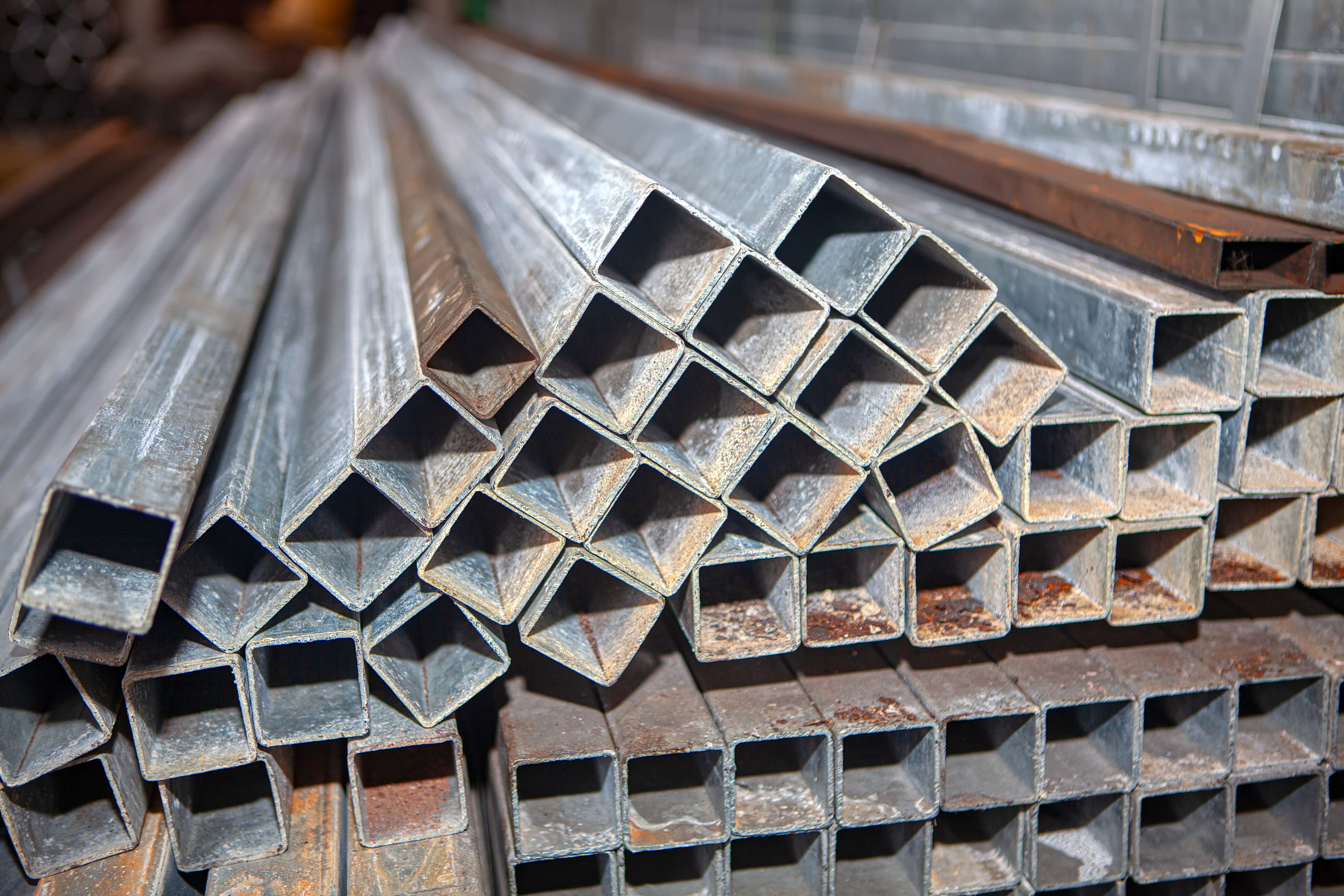
Sell metals
If you generate ferrous, non-ferrous, or industrial manufacturing scrap, we assess grade, separation quality, and logistics suitability — and connect to active downstream buyers.
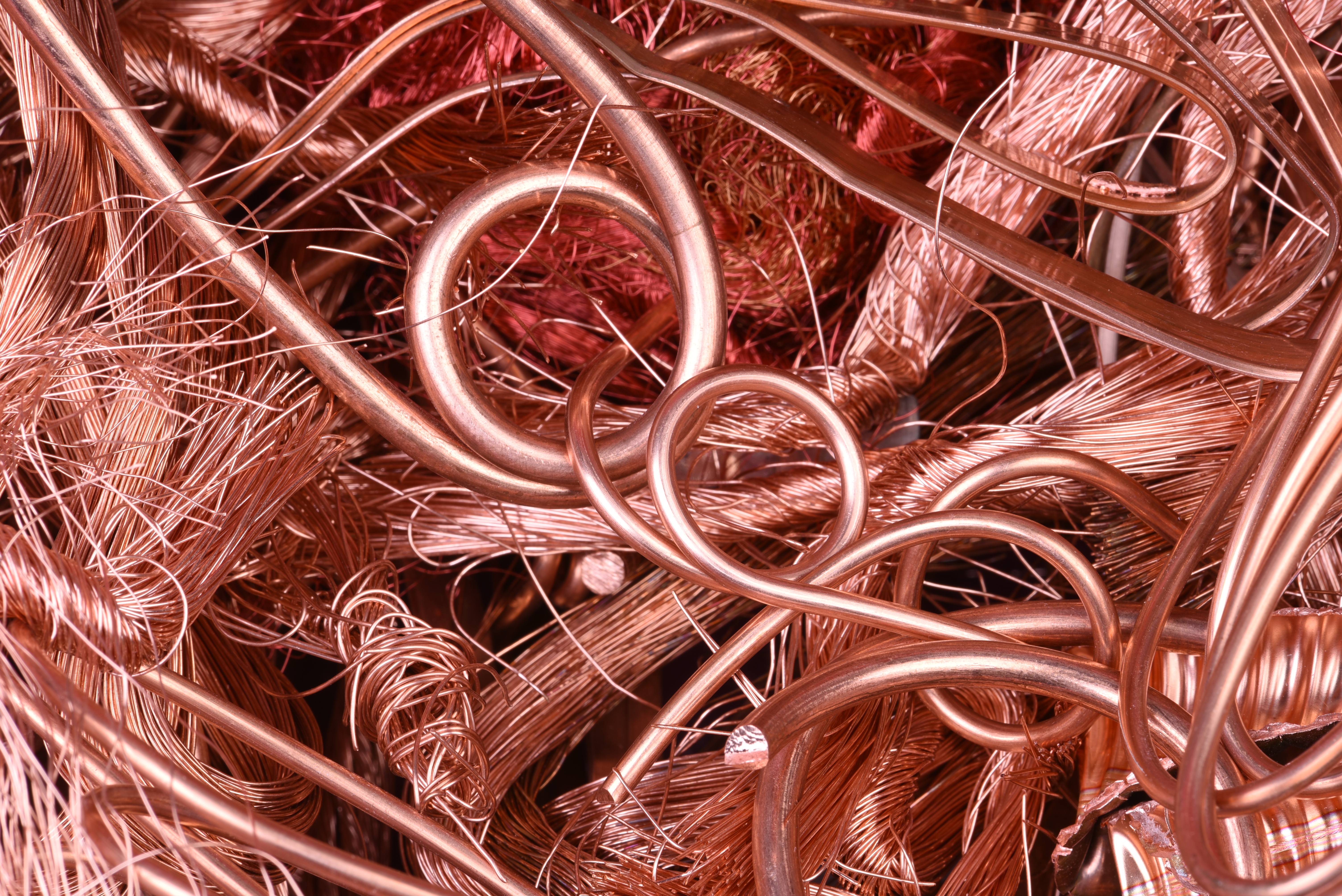
Buy metals
If you source scrap metal for processing or manufacturing, we help identify supply that matches your grade specification, volume requirement, and logistics parameters.

Logistics
How weight economics, loading infrastructure, and container fill rates shape metal trade logistics — and what BEWI Connect manages across the route.
Metal recycling is one of the most established circular flows in industry
Steel produced from recycled scrap requires around 75% less energy than virgin production. Recycled aluminium saves approximately 95% of the energy needed for primary smelting. Metal is infinitely recyclable without quality loss — making it one of the most commercially mature circular material flows. The value is already there. The challenge is in connecting the right supply to the right buyer at current market conditions.
Ready to move metal material?
Whether you generate scrap metal and need consistent buyers at current market pricing, or source metal for downstream processing and need reliable supply — talk to our traders directly.
Contact usRelated Products
View all related products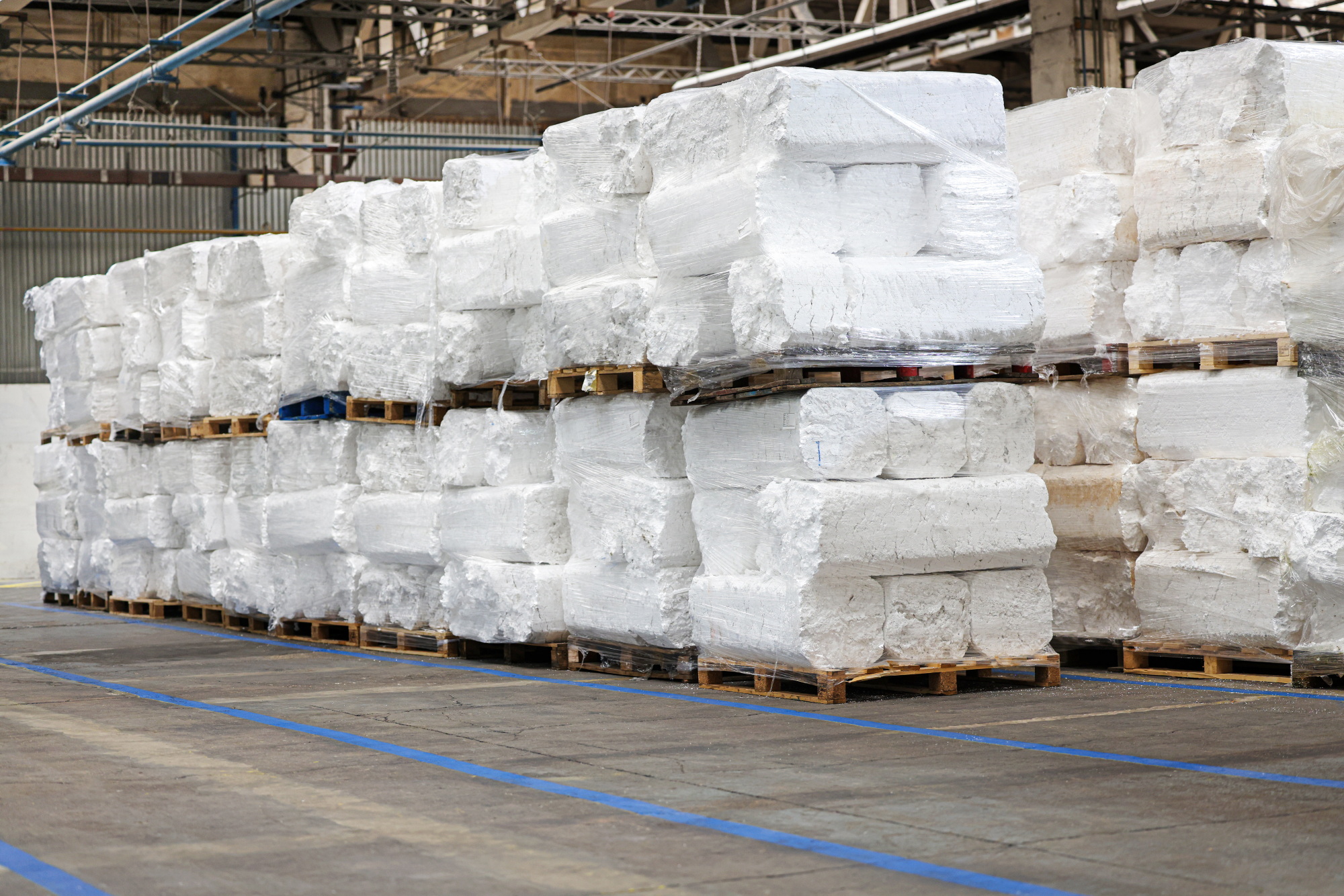
EPS
A volume-sensitive material used in packaging, fish boxes, construction, and industrial applications, where preparation and movement often determine viability.
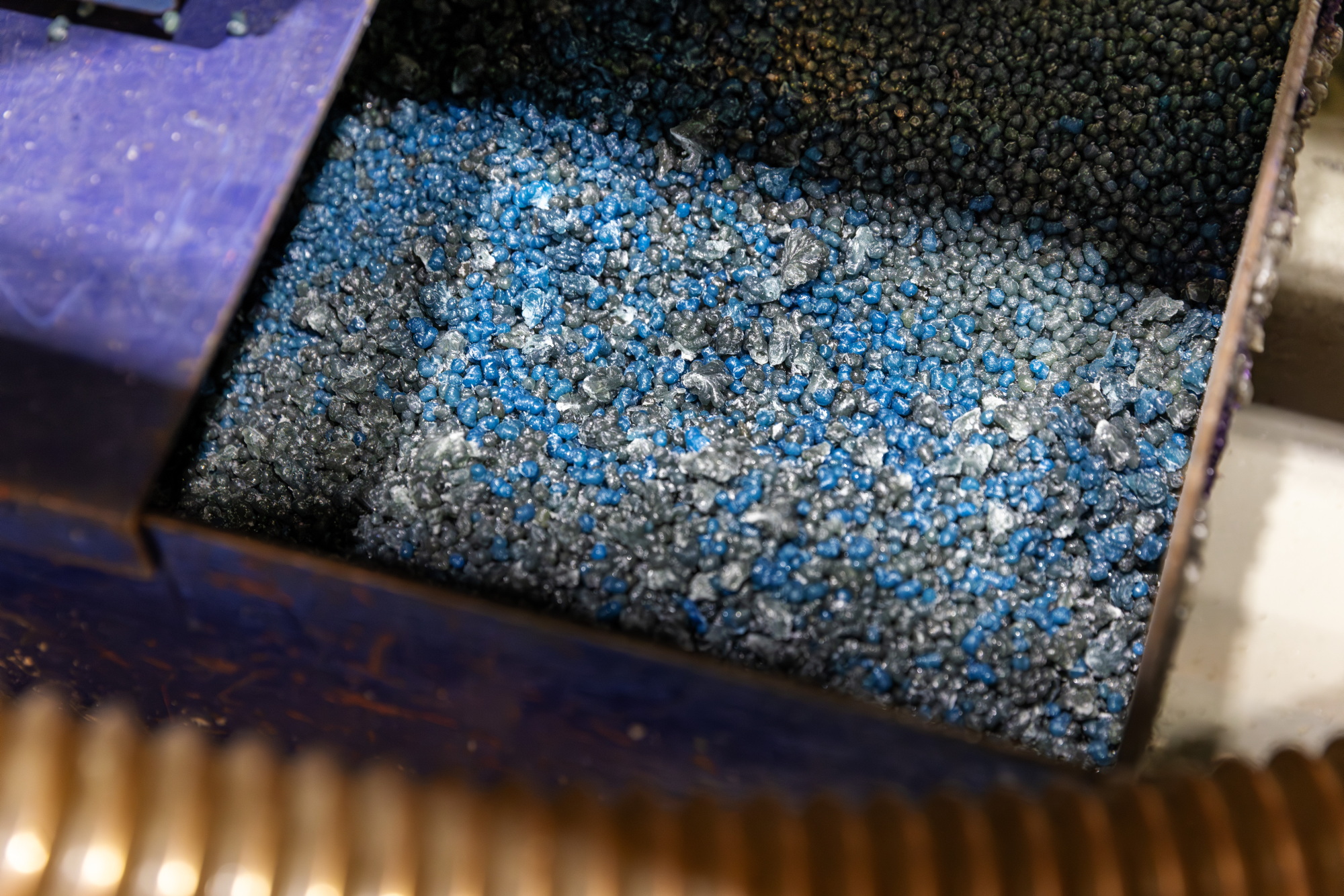
Plastics
Plastic streams such as LDPE, PET, and GPPS, each shaped by polymer type, format, quality, and downstream processing fit.
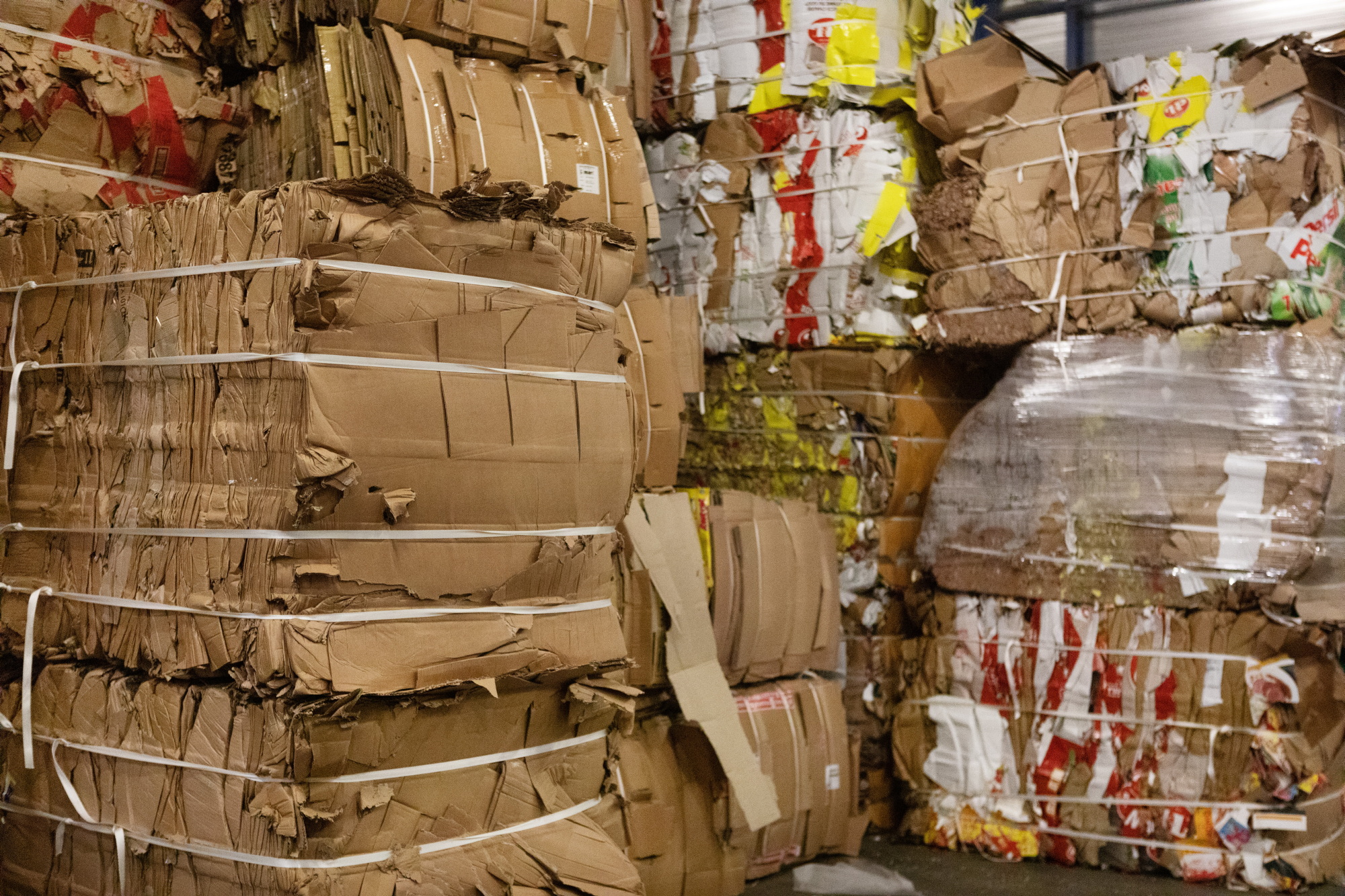
Fibers / OCC
Recovered fibers, OCC, paper rolls, and related grades, where consistency, quality, and buyer requirements shape commercial relevance.